Craft & Technique·Design Guides·Sustainability·Bhadohi Heritage·Carpet Care·Import Business·Industry Insights·Craft & Technique·Design Guides·Sustainability·Bhadohi Heritage·Carpet Care·Import Business·Industry Insights·
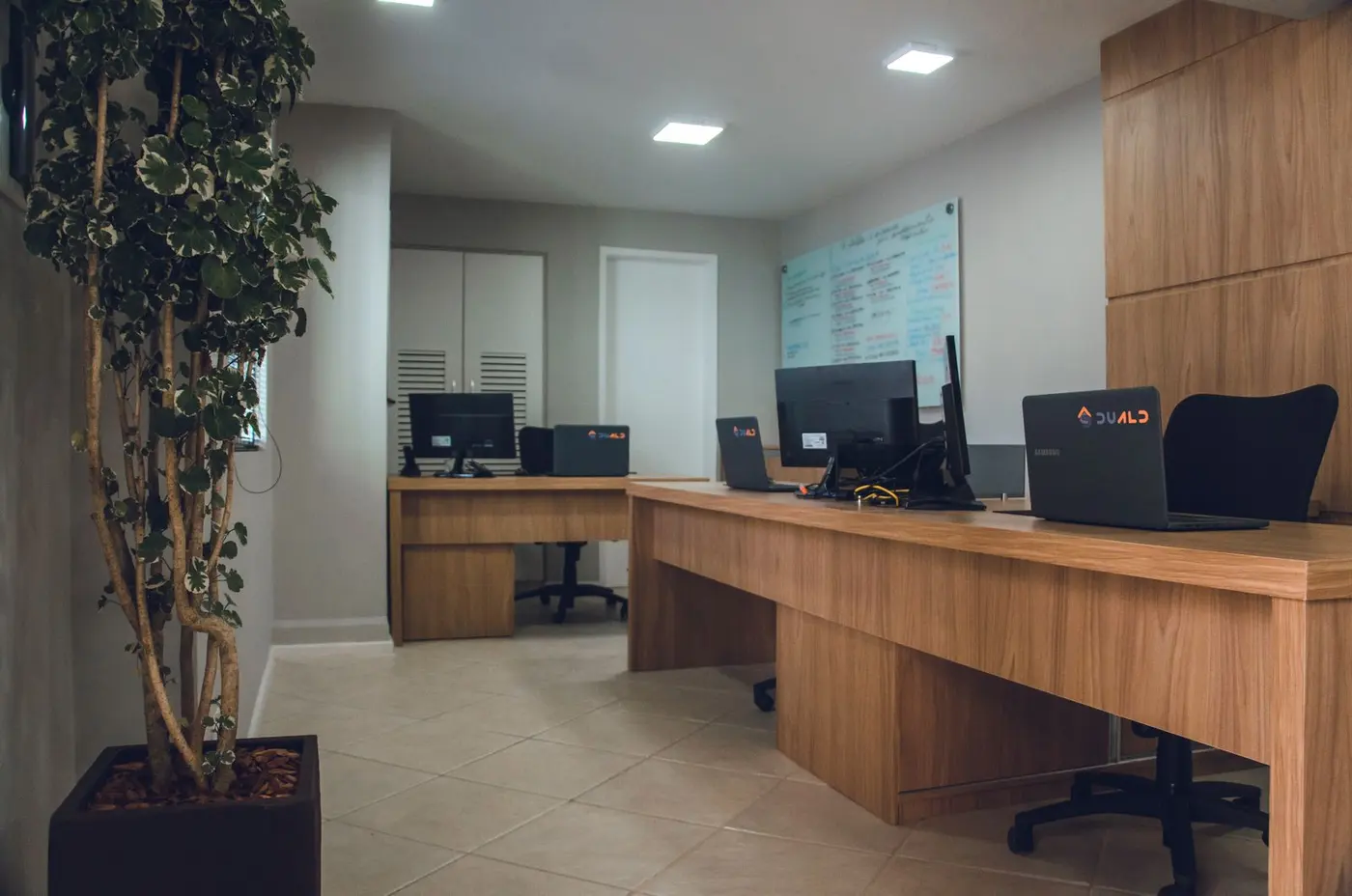
Our Commitment to Equal Opportunity: Deepak Carpets' Non-Discrimination Policy
At Deepak Carpets, fair and inclusive workplaces are the foundation of craftsmanship excellence. Learn how our equal-opportunity policy governs hiring, compensation, and career growth.
4 min read →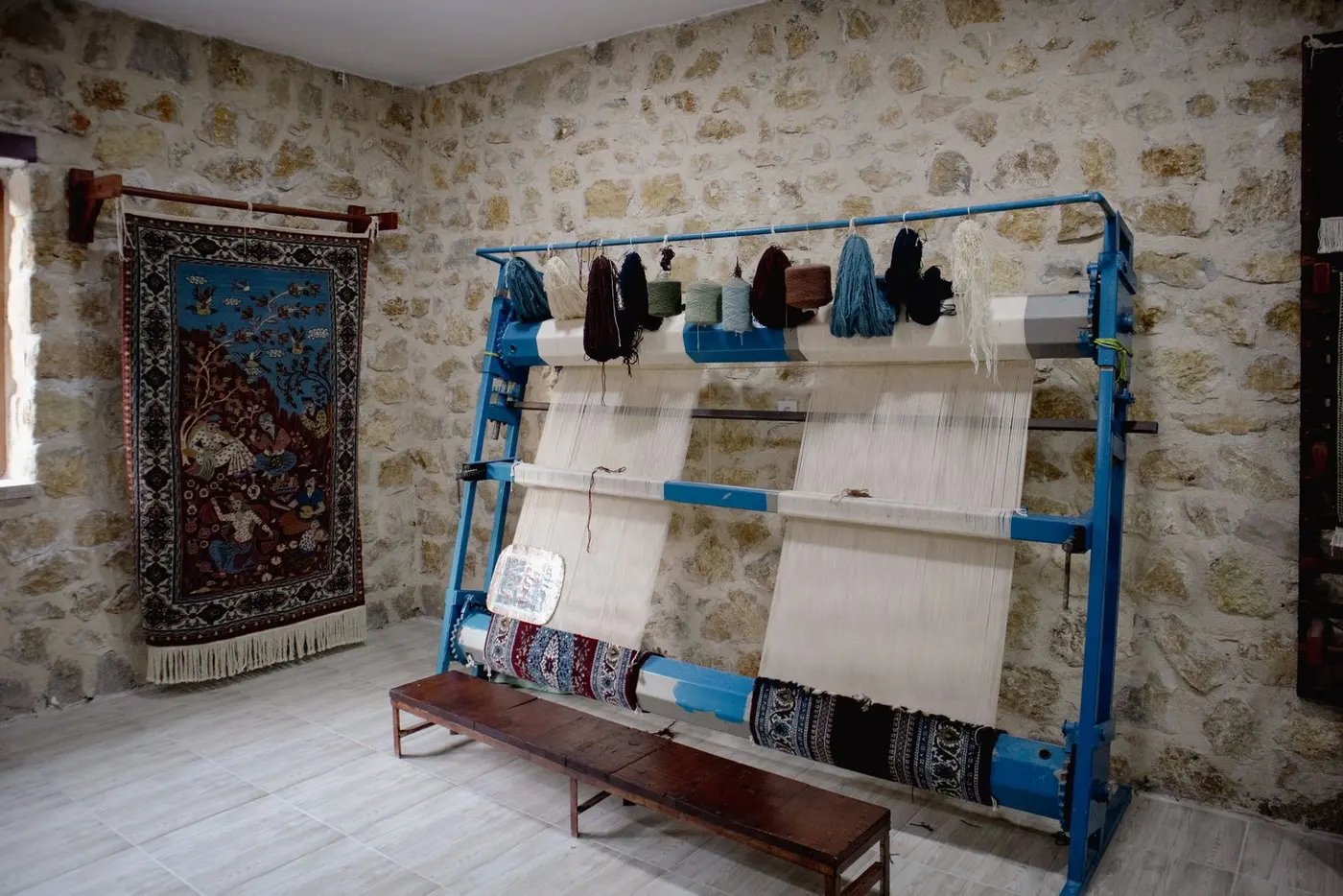
Zero Tolerance: How Deepak Carpets Prevents Forced Labour & Human Trafficking
Forced labour and human trafficking have no place in ethical carpet manufacturing. Discover the safeguards, audits, and accountability measures Deepak Carpets has put in place.
4 min read →
Protecting Children: Deepak Carpets' Child Labour Prevention Framework
Child labour is a non-negotiable red line. Learn about our age verification, education-first approach, supply chain monitoring, and remediation protocols.
5 min read →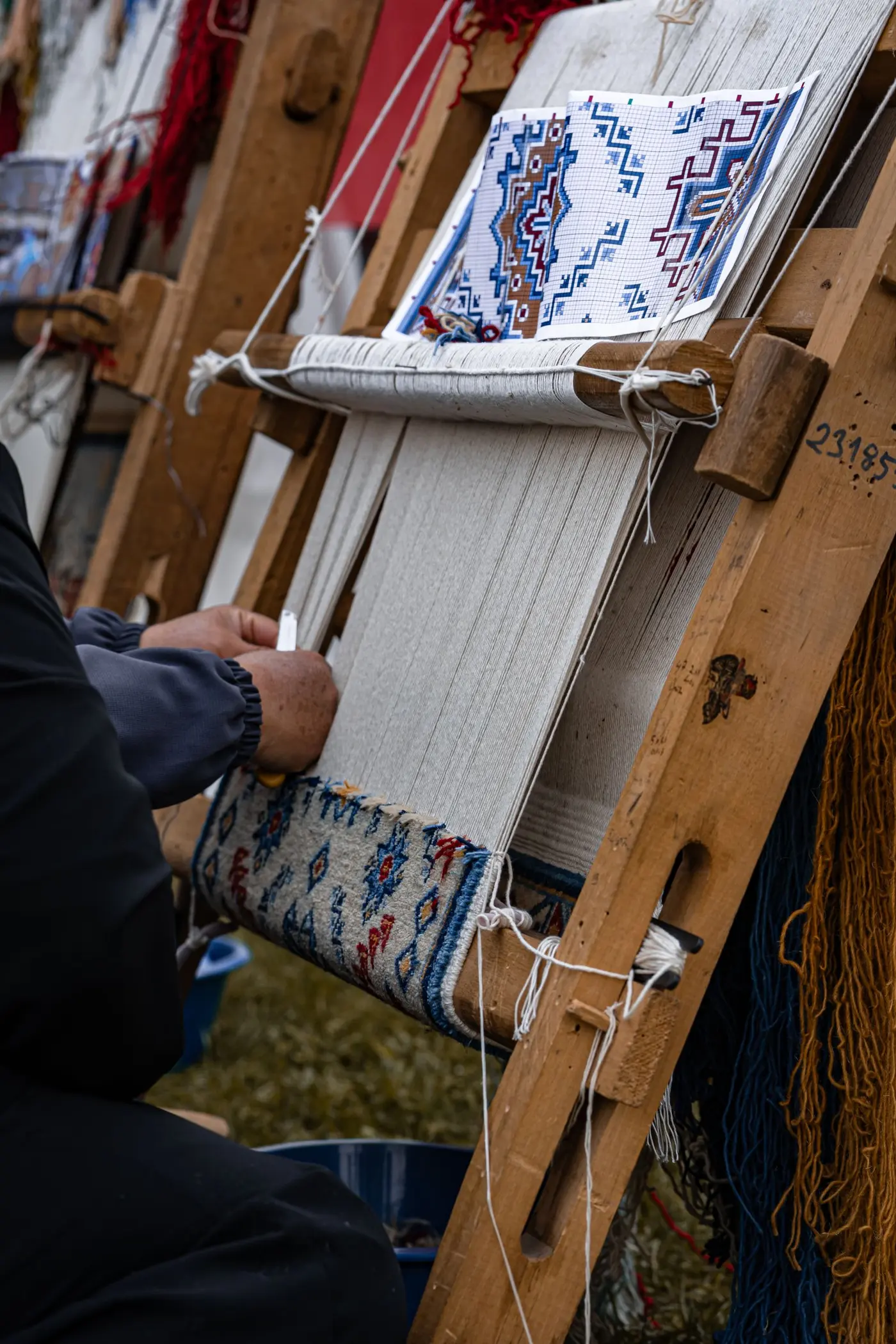
Health & Safety on the Weaving Floor: Our Comprehensive Safety Framework
From ventilation and fire safety to ergonomic workstations and chemical handling — how Deepak Carpets protects every person on the production floor.
5 min read →
Fair Wages & Dignified Work: Our Commitment to Artisan Livelihoods
Fair compensation and regulated working hours are not costs — they are investments in skill, loyalty, and dignity. Explore Deepak Carpets' wage and hours framework.
4 min read →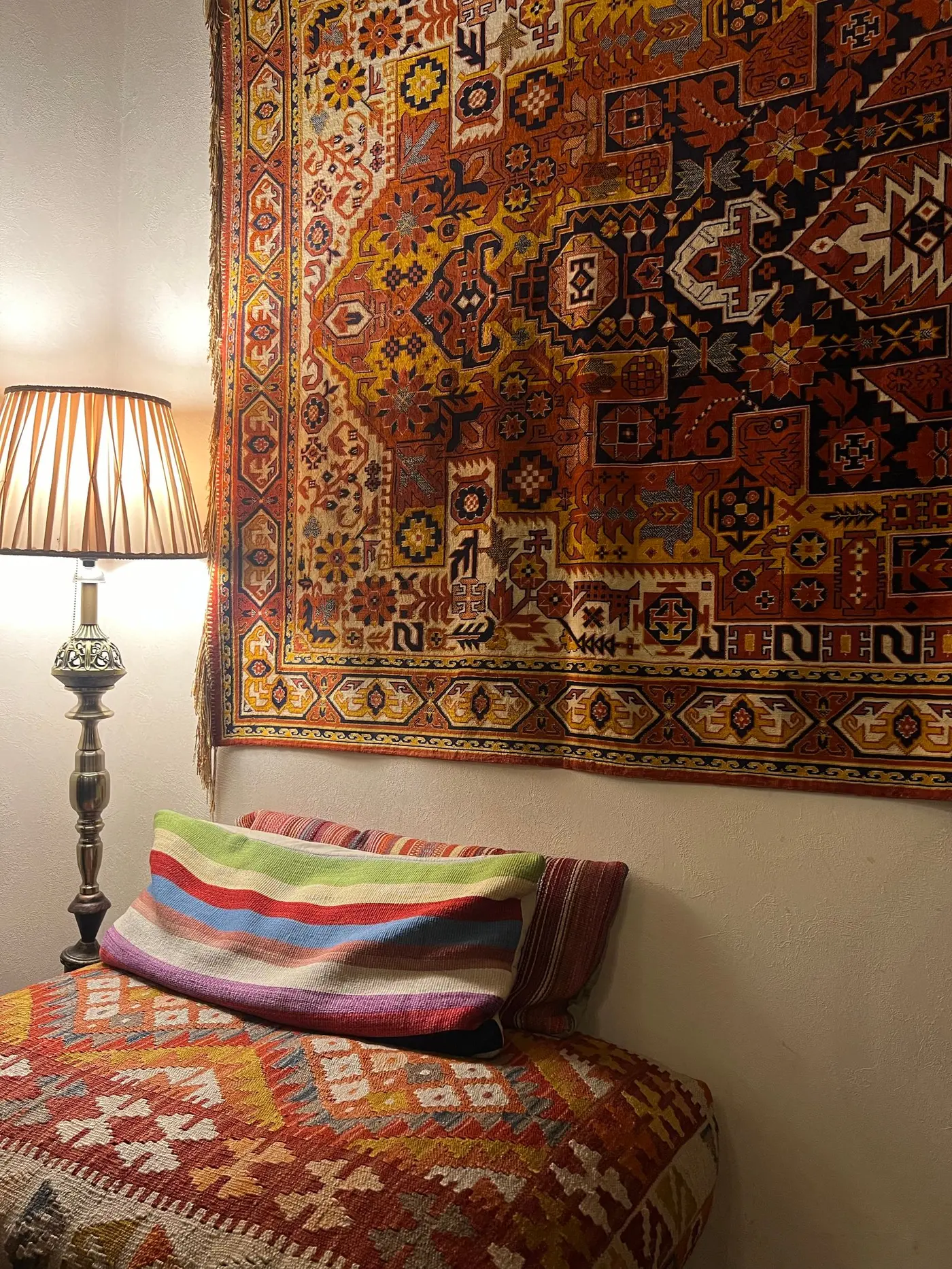
Rug Trends 2026: Earth Tones, Texture and the Return of Colour
Grey minimalism is over. Terracotta, sage and ochre palettes, texture-first weaves and organic shapes are defining rug demand in 2026 — here is what buyers should stock.
4 min read →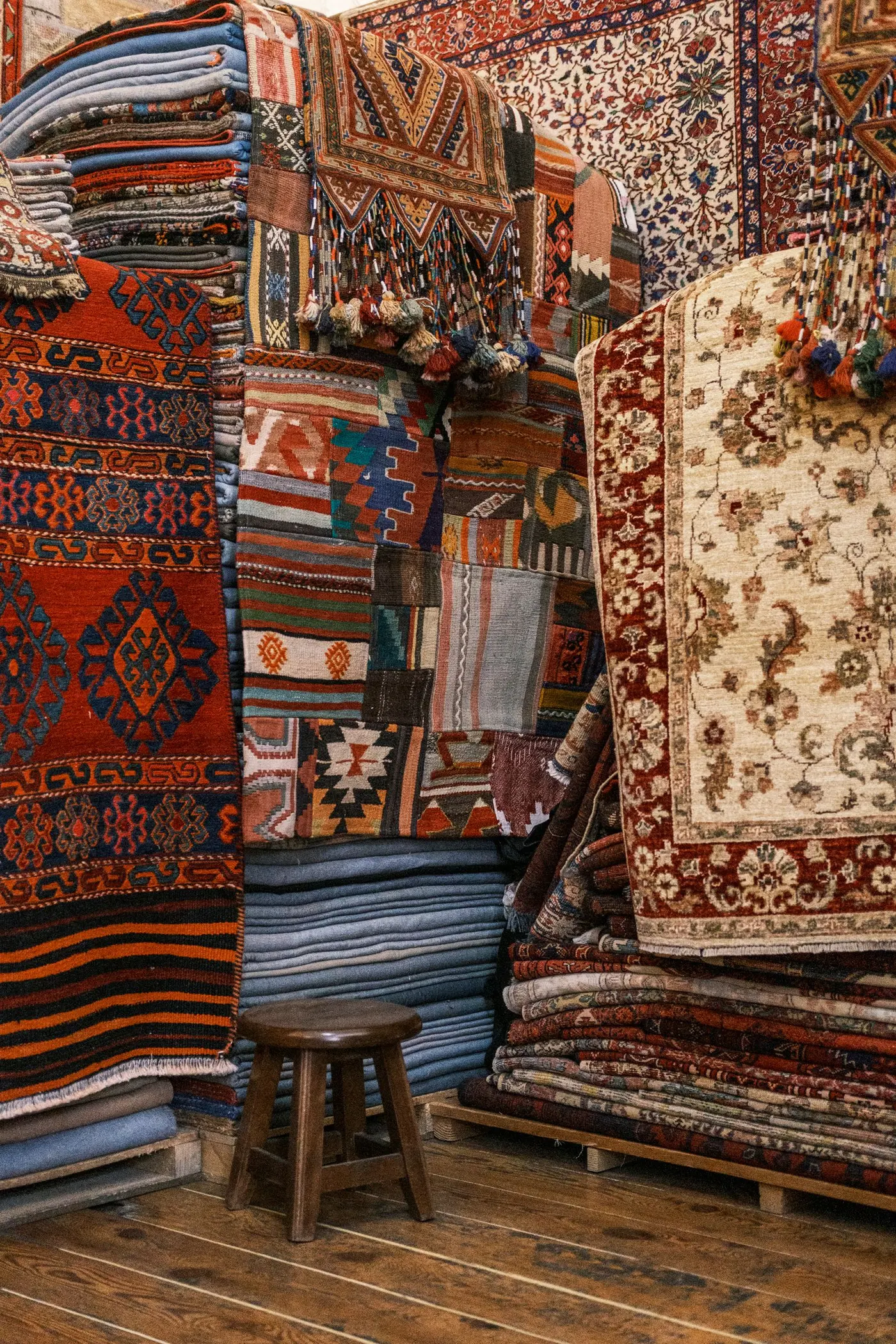
How to Import Handmade Rugs from India: A Buyer's Guide
India weaves 40% of the world’s handmade carpets. From choosing a manufacturer to FOB terms, sampling and lead times — the import process explained step by step.
5 min read →Wool Rugs: Why the Oldest Fibre Is Still the Best
Resilient, stain-resistant, flame-safe and beautiful with age — a working guide to wool quality, constructions and care for rug buyers.
4 min read →
Rugs for Hotels: Specifying Statement Pieces and Public Areas
A lobby rug has ten seconds to impress. How hospitality designers specify statement rugs, corridor runners and full-property programmes that survive commercial life.
4 min read →What Sedex Membership Actually Verifies — Explained by a Member
SMETA audits, worker interviews, shared ethical data — what the Sedex platform really checks at a rug factory, and how buyers should use it.
4 min read →Hand-Knotted Rugs and Knot Counts: What the Numbers Mean
KPSI, Persian knots, millions of hand movements — how hand-knotted rugs are built, what knot count really tells you, and why these pieces last generations.
4 min read →
Terracotta, Sage and Ochre: The Colours Defining 2026 Interiors
The warm reset is here. Why three earth tones now dominate rug briefs worldwide — and how each behaves in wool, cotton and hand-tufted pile.
4 min read →Private Label Rug Manufacturing: How to Own Your Own Collection
Exclusive designs, your branding, manufacturer-direct margins. What private label rug production involves and what a good factory partner provides.
4 min read →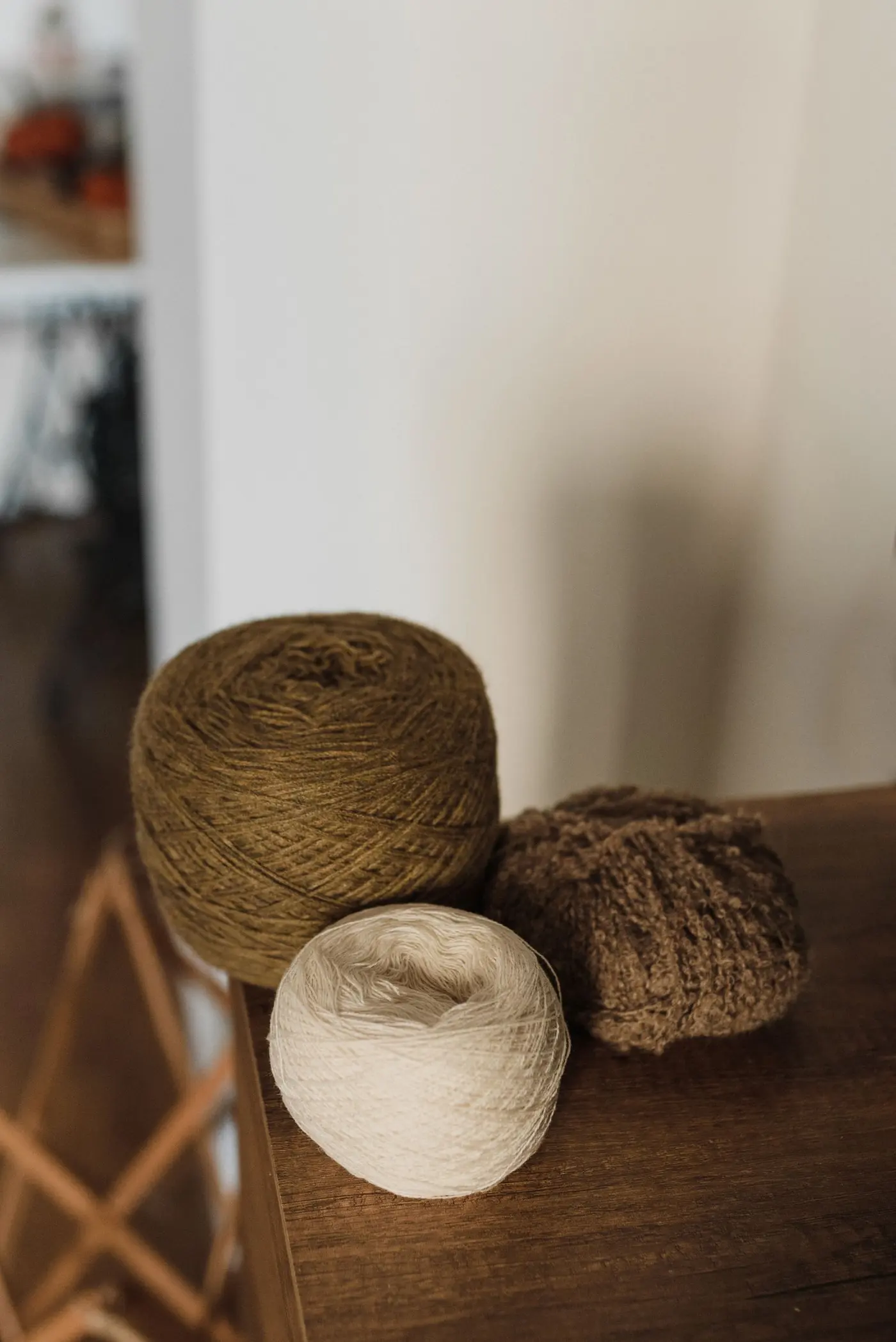
Jute Rugs: The Fibre Behind the Modern Organic Look
Rain-fed, biodegradable and unmistakably natural — why jute dominates the texture trend, where it works, and how to buy it well from India.
4 min read →The Rug Size Guide: Getting It Right in Every Room
The most common rug mistake is buying too small. Trade sizing rules for living rooms, dining rooms, bedrooms and hallways — with the measurements that work.
4 min read →
The Higg Index Explained for Rug Buyers
Energy, water, waste, chemicals — how the Higg facility assessment turns vague eco claims into comparable numbers, and how to read a supplier’s score.
4 min read →
The Kilim Revival: Why Flatweaves Are Everywhere Again
Reversible, layerable and boldly geometric — how the ancient kilim technique became one of the strongest looks in contemporary interiors.
4 min read →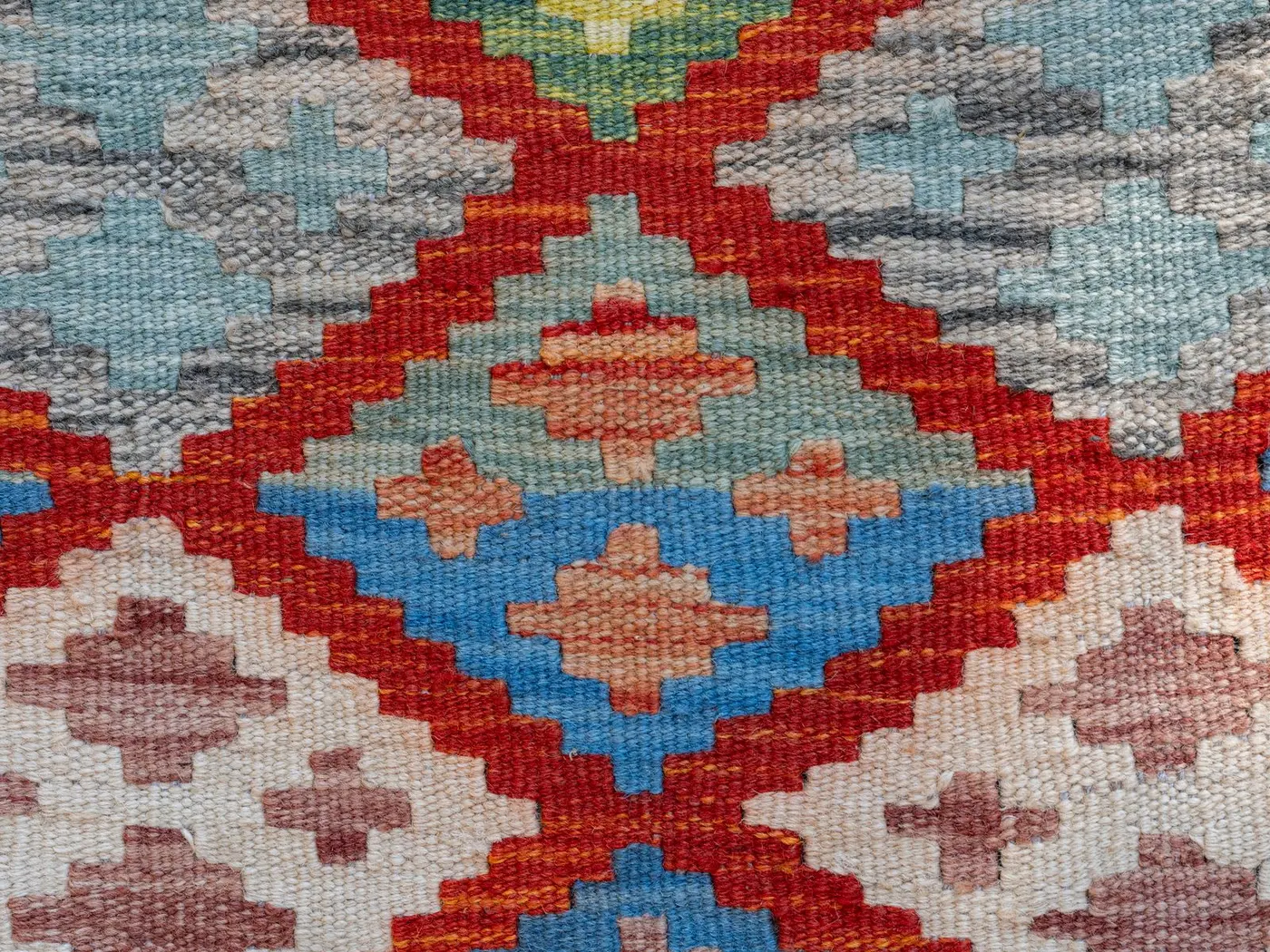
Texture-First Rugs: High-Low Pile, Bouclé and Carved Weaves
Pattern is giving way to structure. The techniques behind the texture trend — and why handmade production delivers it better than any machine.
4 min read →10 Questions to Ask Before Choosing a Wholesale Rug Supplier
In-house or subcontracted? What happens at QC? Which audits? The ten questions that separate reliable manufacturers from middlemen — with the answers that matter.
4 min read →Bamboo Silk Rugs: Lustre, Limits and How to Specify Them
Silk-like sheen at a fraction of the price — what bamboo silk is, why designers love it, and the honest limitations every buyer should know.
4 min read →Choosing a Living Room Rug: Size, Fibre and Construction
The hardest-working textile in the house. A decision-by-decision guide to living room rugs — from the size rule most people break to fibres that survive family life.
4 min read →Solar Power on the Factory Roof: Renewable Energy in Rug Making
Where energy actually goes in a carpet factory, and how our 5KW solar plant and greenhouse latexing setup cut the footprint of every rug we weave.
4 min read →The Dhurrie: India's Own Flatweave, From Village Floor to Design Icon
Cotton, reversible and centuries old — how the Indian dhurrie became a staple of contemporary interiors, and what makes an export-grade one.
4 min read →Beyond the Rectangle: The Rise of Organic-Shaped Rugs
Curved, lobed and sculptural rugs have gone mainstream. Why irregular shapes work, where designers use them, and how hand tufting makes them affordable.
4 min read →OEM Rug Production Explained: Your Designs, Our Looms
How brands extend into rugs without building a mill — what you control in an OEM programme, what the manufacturer contributes, and how to start.
4 min read →Cotton Rugs and Dhurries: The Accessible Workhorse
Crisp flatweaves, bright colour, honest prices — where cotton rugs excel, where they don’t, and why cotton underpins even wool and jute rugs.
4 min read →
Bedroom Rugs: Softness First
Light traffic, bare feet, calm palettes — why bedroom rugs follow different rules, which placements work, and where viscose finally belongs.
4 min read →Eco-Friendly Rug Materials, Ranked Honestly
Jute, wool, cotton, recycled PET, bamboo silk — how the common rug fibres actually compare on sustainability, and why durability dominates the equation.
4 min read →Inside the Handloom: How Textural Rugs Are Woven
No electricity drives the weaving — feet, hands and judgement do. How handloom rugs are made, and why they power the contemporary texture category.
4 min read →Layered Rugs: The Styling Trend That Doubled the Market
Jute under wool, kilim over handloom — why layering took off, the combinations that work, and what it means for retail rug programmes.
4 min read →Rug Sampling and Lead Times: The Honest Timeline
Two to four weeks to sample, six to twelve to produce — what happens at each stage of handmade production and how good factories compress it.
4 min read →
Recycled PET Rugs: Bottles to Weatherproof Weaves
The fibre that made outdoor rugs possible — how recycled PET is made, why it owns the outdoor category, and what quality to look for.
4 min read →
Dining Room Rugs: A Specification That Survives Dinner
Chairs, crumbs and daily wear — the four decisions that make a dining rug work: size beyond the table, low dense pile, forgiving fibre and defensive colour.
4 min read →Why Handmade Rugs Are the Lower-Impact Choice
Hands don’t burn fuel, and durability is the multiplier nobody counts. The environmental case for handmade over machine-made, stage by stage.
4 min read →Washing, Shearing, Stretching: The Finishing That Makes a Rug
A rug off the loom is only begun. Inside the finishing stages — washing, stretching, carving, binding — that decide lustre, flatness and life.
4 min read →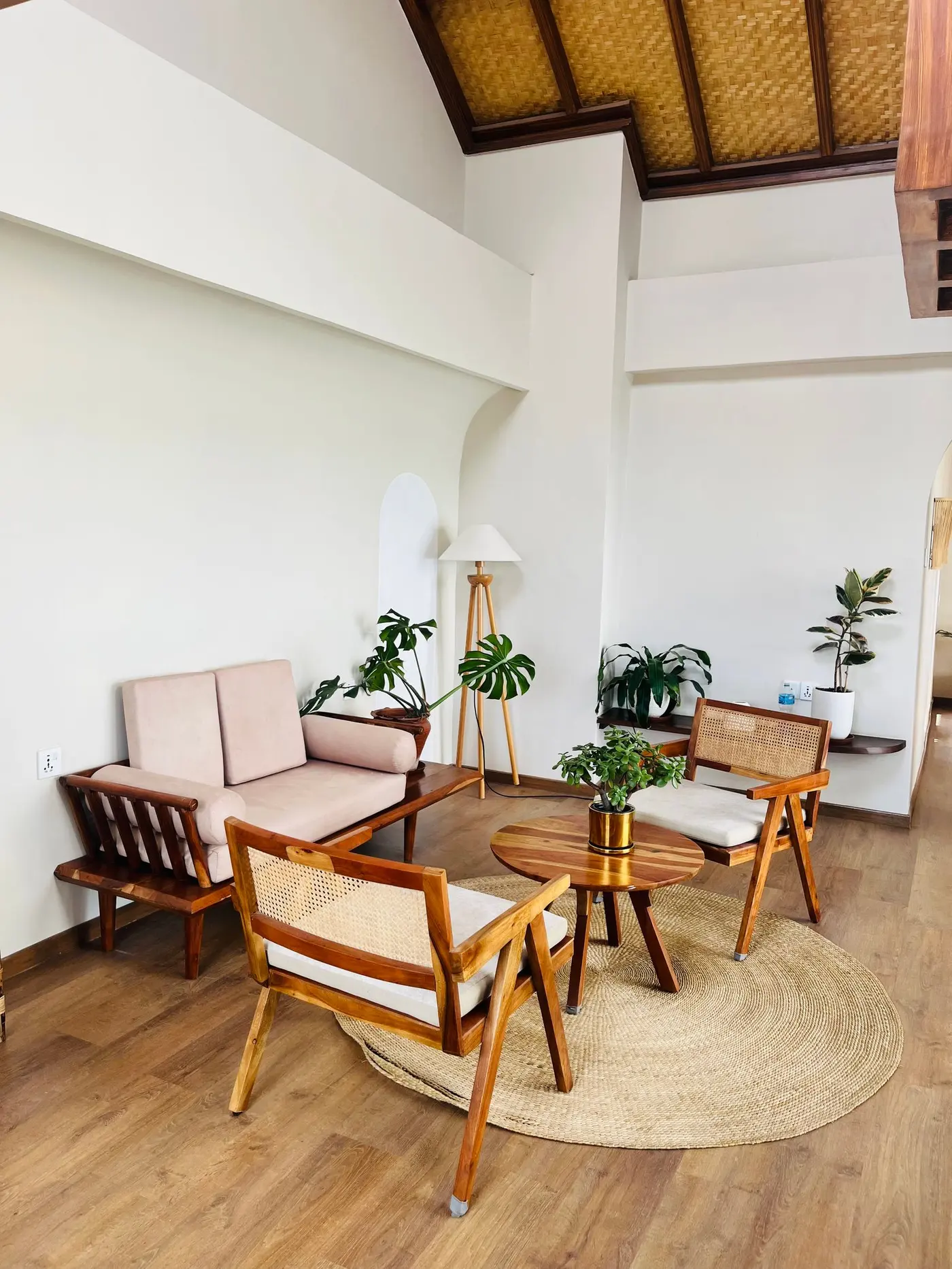
Modern Organic: The Style Built Around Natural-Fibre Rugs
Warm neutrals, raw texture, visible craft — the anatomy of the most requested interior style across our markets, and why the rug anchors it.
4 min read →
Hand-Tufted vs Hand-Knotted vs Handloom: Choosing Right
Three constructions, three price points, three selling stories. The comparison every rug buyer needs before specifying a range.
5 min read →Viscose Rugs: Beautiful, Divisive and Fine — in the Right Room
Silk-like sheen with conditions attached. Where viscose belongs, where it doesn’t, and how wool-viscose blends capture the light without the fragility.
4 min read →Outdoor Rugs: Furnishing the Open-Air Room
Terraces from Sydney to Dubai are furnished like living rooms. The fibres, constructions and care rules that let rugs thrive outdoors.
4 min read →Rug Certifications Decoded: Sedex, Higg, GoodWeave, OEKO-TEX, GRS
Each framework verifies something different — labour, environment, product safety, recycled content. A plain-language map for compliance teams.
5 min read →The Generational Weavers of Bhadohi
In the Carpet Capital of India, weaving knowledge passes from parent to child. Why generational skill is the region’s true competitive advantage.
4 min read →Grey Is Over: The Warm Neutrals Taking Its Place
Sand, oat, camel, taupe and clay have replaced cool grey as the volume end of every rug programme. How to build a neutral range that sells.
4 min read →Wholesale Rug Pricing: FOB, CIF and Landed Cost Explained
Turn quotations from apples-and-oranges into a real comparison — what the trade terms mean, what sits inside a rug’s price, and how to calculate landed cost.
4 min read →Wool Blends: The Engineering Behind the Best-Selling Rugs
Wool-viscose for sheen, wool-jute for texture, wool-PET for contract toughness — the blends that do the industry’s real work, and how to specify them.
4 min read →Rugs in the Workplace: Zoning, Acoustics and Culture
Offices have rediscovered softness. How workplace designers use rugs to zone open plans and tame noise — and the commercial-grade specs that survive.
4 min read →The Anatomy of a Handmade Rug: Warp, Weft, Pile and Selvedge
Ten minutes with rug anatomy turns a price-comparer into a quality-judge. What each part does — and why the back of a rug tells the truth.
4 min read →Biophilic Design and the Natural-Fibre Rug
Connecting interiors to nature is now mainstream taste. Why wool and jute rugs sit at the heart of biophilic rooms — in homes, offices and hotels.
4 min read →MOQs in Handmade Rugs: What Moves the Minimum
Handmade minimums work differently from machine-made — dye lots, shared colourways and pilot orders. The levers that give buyers negotiating room.
4 min read →Natural Dyes vs Modern Dyeing: How Rug Colour Really Works
Indigo and madder built the antique palette; modern dyehouses build repeatable colour at scale. The truth about both — and the abrash designers now request.
4 min read →Runners for Hallways and Stairs: Built for the Busiest Metres
No floor works harder. Sizing rules, low-dense constructions and stair-safety specification for the rugs that take the most footsteps in the building.
4 min read →Custom Rug Programmes for Hotels: From Design Intent to Installation
Hotels buy programmes, not rugs — lobby statements, corridor runs, guest-room sets, all against a fit-out date. How the process works with a manufacturer.
5 min read →What "Contract Grade" Should Mean on a Rug Quotation
Density, fibre, backings and the paperwork behind them — the specification that separates rugs that survive commercial life from rugs that merely look good at handover.
4 min read →Quality Control in Handmade Rugs: What Rigorous Looks Like
QC starts at the yarn, not the final inspection. Stage-wise checkpoints inside a disciplined carpet factory — and the four things buyers should ask to see.
4 min read →Indian Handmade Rugs in Latin America: The Emerging Market
Brazil’s premium rug market is 70–80% imports; Mexico’s trade runs through established hubs. The practical guide for distributors sourcing tapetes artesanais from India.
4 min read →Rugs for the Majlis and the Gulf Villa
From the ceremonial majlis to six-metre villa lounges — how carpet tradition and contemporary luxury meet in Middle Eastern interiors, and how to specify for them.
4 min read →The Art of Hand Tufting: How Our Craftsmen Create Every Rug
Behind every hand-tufted rug is a craftsman with decades of experience guiding a tufting gun through stretched fabric with precision and artistry. We take you inside our Bhadohi workshop.
5 min read →How to Choose the Right Rug for Any Space
Size, pile height, fibre type, and colour temperature — choosing a rug involves more than aesthetics. Our guide helps interior designers and buyers make confident decisions every time.
7 min read →Bhadohi: The Carpet Capital of India
Nestled in Uttar Pradesh, Bhadohi has woven carpets for centuries. We explore the city's rich heritage, its role in global textile trade, and why it remains the heart of India's handmade carpet industry.
6 min read →What Sustainable Carpet Manufacturing Really Looks Like
From solar-powered facilities to Sedex certification and Higg Index benchmarking — we share how Deepak Carpets approaches sustainability not as a checkbox, but as a business principle.
8 min read →Complete Guide to Handmade Carpet Care
Handmade rugs are an investment. With the right care, they can last generations. This guide covers cleaning, storage, rotation, and handling advice for wool, jute, silk blend, and synthetic rugs.
9 min read →From Brief to Dispatch: Our Bespoke Carpet Process
A custom carpet order at Deepak Carpets goes through 12 distinct stages. We walk you through the journey from initial concept and sampling to final quality check and export packaging.
6 min read →How to Start a Rug Import Business from India: The Complete Roadmap
Every importer started with a first order. From choosing your customer to registering the basics, finding a manufacturer and shipping a pilot — the full sequence for small businesses.
5 min read →What It Really Costs to Start Importing Rugs from India
Stock, freight, duty, storage and the costs people forget — an honest startup budget for a small rug import business, and the expenses you can safely skip.
4 min read →The First Import Order Checklist: Fix These Details Before Production
Approved sample, written spec, payment triggers, packing data, broker briefed — the pre-order, pre-shipment and pre-arrival checklists that make a first import boring.
4 min read →Licences and Registrations for Importing Rugs: Less Than You Fear
In most markets no special licence is needed to import handmade rugs — just business registration, an importer number and correct labelling. What you need, and what the exporter handles.
4 min read →HS Codes for Carpets and Rugs: Chapter 57 Explained Simply
Hand-knotted 5701, woven 5702, tufted 5703 — the four headings that classify every rug at the border, why classification decides your duty, and how to get it right.
4 min read →The Six-Question Rug Import Business Plan
Who buys, what you stock, landed cost, retail price, cash cycle, what can go wrong — a page on each and you know more than most first-time importers.
4 min read →Choosing Your Rug Import Niche: Own Something Before Owning Everything
Natural-fibre texture, kilims, custom sizes, outdoor, premium hand-knotted — the niches that work for small importers and the three tests for choosing between them.
4 min read →Why Source Rugs from India: The Case for the World’s Carpet Workshop
Roughly 40% of the world’s handmade carpet exports, every construction and fibre under one roof, favourable duty treatment and verifiable compliance — India’s case, stated plainly.
4 min read →How to Verify an Indian Rug Supplier Without Leaving Your Desk
Registration checks, audit evidence, live video tours and behavioural tests — the four-step remote due diligence that sorts real factories from websites.
4 min read →Planning a Sourcing Trip to Bhadohi: The Buyer’s Itinerary
Fly to Varanasi, ninety minutes by road, two to three days of factory floors — how to plan the trip that teaches more than a year of emails.
4 min read →India Carpet Expo: A First-Timer’s Guide to the Buyer’s Week
Hundreds of manufacturers under one roof. How to register with CEPC, work the floor in two days, and turn a trade fair into two or three real supplier relationships.
4 min read →Sourcing Rugs from India Without Visiting: The Remote Playbook
Video tours, third-party audits, samples that carry the weight, and paperwork that replaces assumptions — remote sourcing done in the right order is thoroughly reliable.
4 min read →Negotiating with Indian Rug Manufacturers: What Actually Moves
MOQ structure, payment terms, sampling credits and packing services move; squeezing unit price below the floor just moves quality. The negotiation guide from the factory side.
4 min read →The Pilot Order: How to Structure a Trial Import That Teaches
Size it to answer questions, design a test grid, measure more than sales, and pre-plan the reorder — the pilot order pays in information whatever it earns in margin.
4 min read →Building Your First Imported Rug Collection: Range Logic That Sells
Anchor on a palette, structure by role — volume core, signature tier, statements — and discipline the sizes. How a starter range reads as a point of view, not a job lot.
4 min read →Six Mistakes First-Time Rug Importers Make (Seen from the Factory)
Buying price instead of cost, skipping samples, vague specs, ignoring the cash calendar, spreading too thin — the failures that repeat, and how to simply not make them.
4 min read →Manufacturer, Trader or Agent: Who Are You Actually Buying From?
Three kinds of counterparty answer your sourcing enquiry from India — and they sell different things at different costs. The sorting questions that reveal which is which.
4 min read →LCL or Full Container? The Rug Importer’s First Shipping Decision
Shared-container LCL for pilots, your own box once volume justifies it — the trade-offs, the crossover point, and why rugs bale their way to cheap freight.
4 min read →Sea vs Air Freight for Rugs: When Speed Is Worth Paying For
Ocean for the range, air for samples, sold custom pieces and stocked-out bestsellers — the economics of both modes and the hybrid rhythm mature importers settle into.
4 min read →Choosing a Freight Forwarder for Your First Rug Shipment
The forwarder turns importing into a series of emails — if you pick one with India experience, real LCL capability and an all-in door quote. The shortlisting tests.
4 min read →Incoterms for New Rug Importers: EXW, FOB, CIF and DDP Decoded
Three letters decide whose money and whose risk is in play at every step from loom to warehouse. The four terms you will meet and the one distinction everyone misses.
4 min read →The Five Documents That Move a Rug Shipment
Commercial invoice, packing list, bill of lading, certificate of origin, insurance certificate — what each does, what rugs add, and the draft-documents habit that prevents pain.
4 min read →Customs Clearance for Rug Imports: What Actually Happens at the Border
Classification, valuation, origin, labelling — what customs checks, your three jobs before the vessel sails, and why a rug clearance is usually a two-day formality.
4 min read →Import Duties and Taxes on Handmade Rugs: Finding Your Real Number
Duty, import VAT and port fees — how the charges stack, why handmade construction is a tariff advantage in several markets, and the ten-minute lookup before you order.
4 min read →Paying an Indian Supplier Safely: Deposits, Documents and Trust
Deposit at order, balance against shipping documents — the trade’s standard structure protects both sides. Plus letters of credit, and the fraud check that actually matters.
4 min read →Currency Exchange for Small Importers: Stop the Quiet Margin Leak
Dollar invoices, twelve-week payment gaps and tourist-rate bank spreads — where exchange risk hides in a rug order and the practical defences at small scale.
4 min read →Marine Cargo Insurance for Rug Shipments: Cheap Cover, Real Catastrophes
Who insures under which Incoterm, what “all risks” warehouse-to-warehouse cover means, and the first-hour claims routine — for a premium that is a rounding error.
4 min read →How Rugs Are Packed for Export: Bales, Barriers and What to Ask For
Rolled pile-in, wrapped in moisture barrier and stitched polypropylene, numbered to match the packing list — what export-grade packing looks like and why it is your first insurance.
4 min read →Pre-Shipment Inspection: Your Eyes in the Factory, Hired Locally
For less than the freight on one bale, an inspector checks quantity, spec, colour and packing against your order before it ships. How to brief one, and when it is worth it.
4 min read →Damaged Shipment? The Claims Routine Every Importer Needs
Note it on the delivery receipt, photograph everything, route transit damage to the insurer and defects to the supplier — the routine that turns a bad day into paperwork.
4 min read →Lead Time Planning: Run the Import Calendar Backwards
Sampling, production, ocean, clearance — four to six months from brief to sellable stock. Why every retail season is decided two seasons earlier, and the buffers reality charges.
4 min read →Storing Imported Rugs: Small-Business Warehousing That Works
Dry, off the floor, rolled pile-in, never folded — what rugs need from a space, the labelling system that beats memory, and when a 3PL earns its fee.
4 min read →Financing Your First Import Orders: Sizing and Funding the Gap
You pay months before you sell. Map the cash curve, then climb the funding ladder — own capital, supplier terms, bank facilities, trade finance and the underrated pre-sell.
4 min read →Landed Cost: The One Spreadsheet Every Rug Importer Must Build
Goods, freight, insurance, duty, clearance, delivery — and the forgotten defects line. Build it per piece, per design, and reconcile it against every shipment.
4 min read →Importing Rugs into the USA: The Market-Specific Guide
Customs bonds and brokers, Chapter 57 classification, textile labelling and flammability rules — the US-specific layer on the standard import process, for the world’s biggest rug market.
5 min read →Importing Rugs into the UK: EORI, Preferences and a Compact Market
An EORI number, postponed VAT accounting, developing-country duty preferences and a market that loves natural fibre — the UK-specific layer for new rug importers.
4 min read →Importing Rugs into the EU: One Border, Twenty-Seven Markets
Clear customs once in Rotterdam or Hamburg and sell from Lisbon to Helsinki. EORI, GSP preferences, textile labelling and REACH — the EU-specific layer.
4 min read →Importing Rugs into Australia: ECTA Tariffs and the Biosecurity Question
The India–Australia trade agreement is eliminating tariffs on handmade rugs, and biosecurity rewards clean, well-packed natural fibre — the Australia-specific layer.
4 min read →Importing Rugs into the UAE: Domestic Market and Re-Export Hub in One
Trade licences, free zones, short sailings from India and a market of majlis tradition, villa scale and hospitality pipelines — the Gulf-specific layer.
4 min read →Importing Rugs into Canada: The Overlooked North American Market
An import-export account, duty preferences for Indian goods, bilingual labelling and a design-literate market with long winters — the Canada-specific layer.
4 min read →Pricing Imported Rugs for Retail: From Landed Cost to the Ticket
The 2×–3× multiples the trade actually uses, good-better-best range architecture, and why pricing from the supplier invoice overstates your margin by a quarter.
4 min read →Selling Imported Rugs Online: Photography, Certainty and Fulfilment
Online, the photograph is the rug. Killing colour and size uncertainty, structuring returns for 40kg products, and the e-commerce-ready packing to ask your factory for.
4 min read →Selling Rugs on Marketplaces: Amazon, Etsy and the Fee Stack
Etsy rewards provenance, Amazon rewards discipline, and every platform charges for its traffic. Matching marketplace to product — and using them as sell-through laboratories.
4 min read →Becoming the Local Wholesaler: Reselling Imported Rugs to the Trade
Local shops and designers cannot import directly — you remove the minimums, lead times and freight for them. Building the trade offer, and what it does to your volumes.
4 min read →Dropshipping Rugs from India: The Honest Shape of the Model
Near-zero inventory cash in exchange for delivery time and control. The constraints to respect, and the hybrid — dropship to test, sea-freight the winners — most builders reach.
4 min read →Marketing Imported Handmade Rugs: Provenance Is Your Ad Budget
The place, the making, the material, the ethics — four stories in every handmade rug, the factory assets to ask for, and the one rule: every claim traceable.
4 min read →How Supplier Certifications Help Small Importers Sell
Sedex, Higg, GoodWeave, OEKO-TEX — audits you did not pay for, answering objections you would otherwise face alone. Where borrowed credibility converts.
4 min read →The Rug Importer’s Year: A Seasonal Buying Calendar
Autumn-winter is the deep season and it is bought in May. The quarter-by-quarter rhythm that keeps demand, production lead times and vessel schedules aligned.
4 min read →Scaling a Rug Import Business: Four Levers, Pulled in Order
Depth before breadth, the container threshold, channels that compound, then exclusivity and programme supply — how a one-person import operation becomes durable.
4 min read →The Long Game: Building a Decades-Long Partnership with Your Indian Factory
Priority looms, softer terms, proactive design and honesty in both directions — what a long-term factory relationship pays, and how to be a buyer factories invest in.
4 min read →