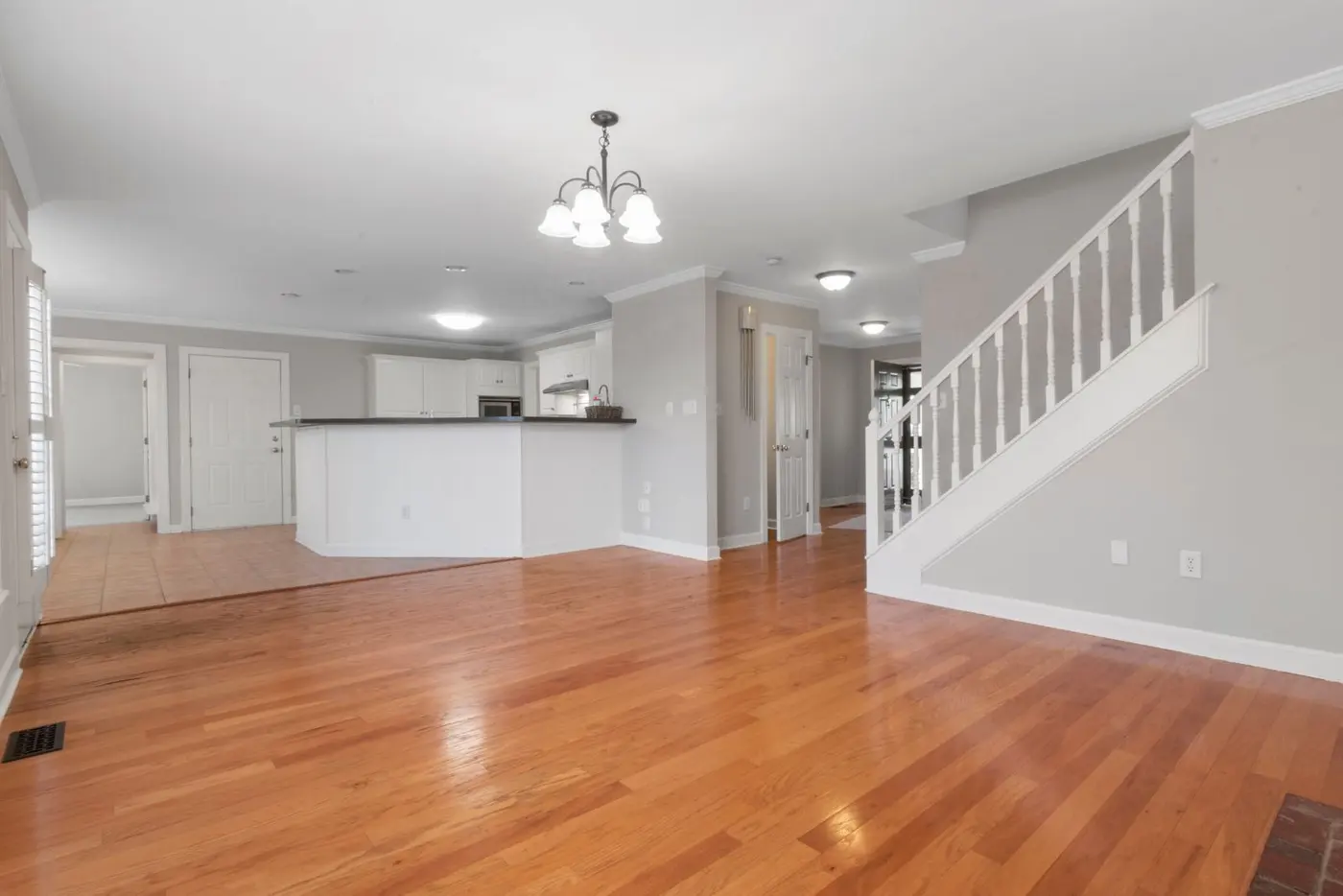
Three colours define interior schemes in 2026: terracotta, sage and ochre. Together they form a palette that is warm without being loud, natural without being rustic, and remarkably easy to live with. For rug buyers, understanding why these tones work — and how they behave in different fibres — makes the difference between a collection that dates quickly and one that sells for years.
Why This Palette, Why Now
The shift is a reaction. Years of grey-on-grey interiors left homes feeling cold, and the post-pandemic focus on comfort pushed design towards colours drawn from clay, plants and sunlight. Trend forecasters call it the "warm reset". Whatever the label, the demand signal is consistent across the USA, UK, UAE and Australia: buyers want rooms that feel grounded and human.
Terracotta: The Anchor
Baked-clay orange works as both a statement and a near-neutral. In wool it takes on a soft, mottled depth; in flatweave cotton it reads crisp and Mediterranean. Terracotta rugs pair naturally with timber furniture, cream walls and brass details — which is why hospitality designers are specifying them for lounges and guest rooms alike.
Sage: The New Neutral
Sage green has effectively replaced grey as the default calm background. It flatters almost every wood tone, supports the biophilic look of plant-filled rooms, and photographs beautifully — no small factor in an e-commerce-driven market. Tone-on-tone sage rugs with textural weaves are among the most requested samples we produce.
Ochre: The Accent
Deep golden ochre brings the energy. Used as a border, a motif or an all-over wash, it warms schemes instantly and bridges beautifully between terracotta and sage in layered arrangements. In hand-tufted pile, ochre yarns catch light with a richness flat printing cannot reproduce.
Getting the Dye Right
Earth tones are unforgiving of poor dyeing — a terracotta that leans pink or a sage that turns minty will kill a design. Because our dyeing, weaving and finishing all happen in-house in Bhadohi, we colour-match to physical standards and hold the shade across production runs. Send us your palette and we will translate it into yarn.