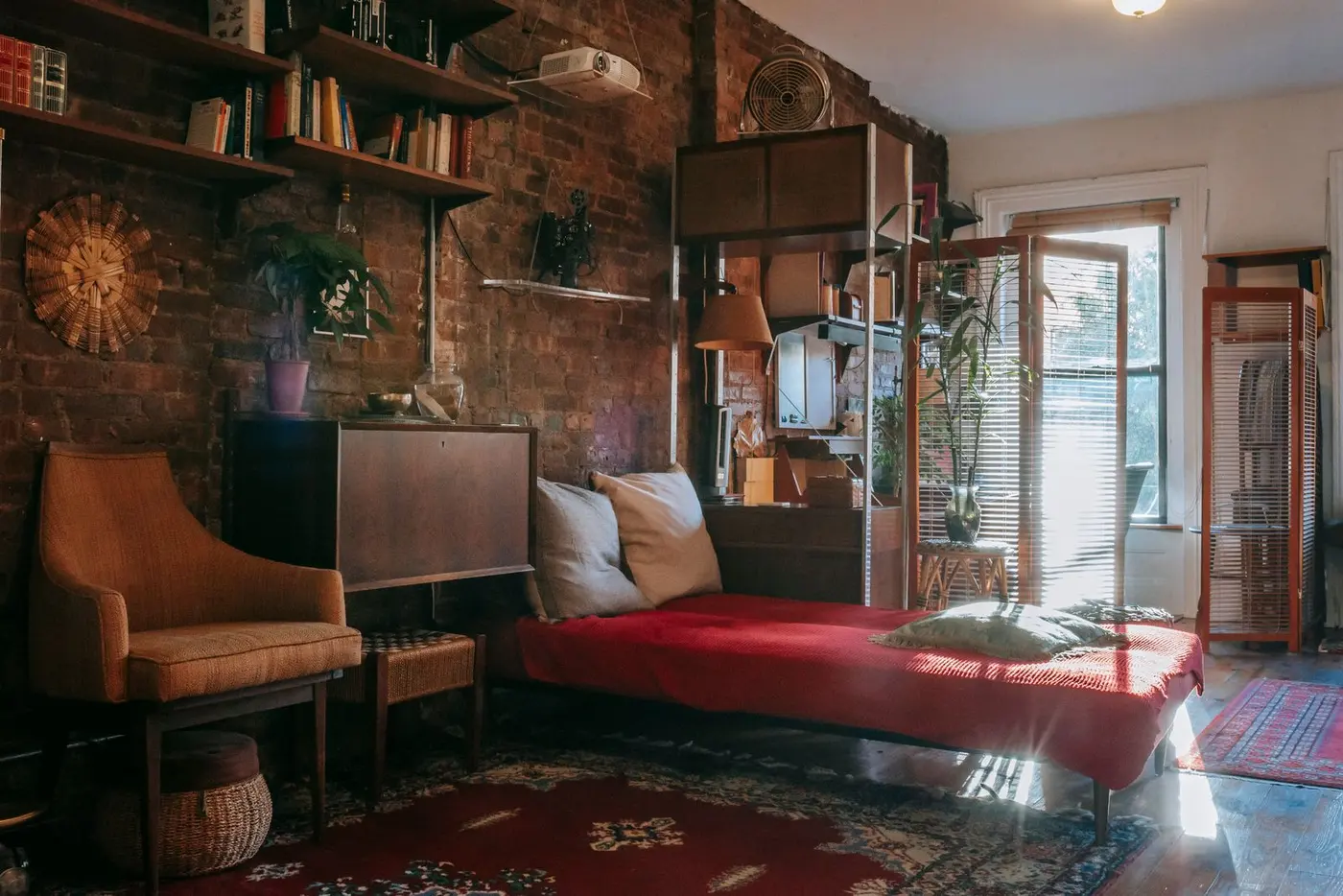
Bedrooms ask something different of a rug. Traffic is light, shoes are rare, and the moment that matters is bare feet meeting the floor at dawn. That changes every specification priority — and it is why some fibres banned from busy rooms belong beautifully here.
Softness Gets Promoted
In living spaces, durability leads; in bedrooms, hand-feel does. Higher pile heights, softer yarns and looser constructions all become viable. This is the natural home of viscose and bamboo-silk blends, whose silky lustre and softness are wasted in corridors, and of deeper wool piles that would flatten under constant traffic elsewhere.
Placement That Works
- Under-bed: one large rug beneath the bed, extending 50–60cm beyond each side and the foot — the luxurious standard.
- Two-thirds placement: the rug starts below the nightstands and runs past the foot of the bed; economical and visually clean.
- Runners either side: a pair of narrow rugs flanking the bed — ideal for smaller rooms and layering over carpet.
Calm Palettes, Quiet Patterns
Bedrooms reward restraint: warm neutrals, muted sage and clay, tone-on-tone texture, gentle abrash. Pattern works best subtle — a carved geometric or soft traditional design rather than high-contrast graphics. The rug should lower the room's pulse, not raise it.
Practicalities Worth Keeping
Even in low traffic, choose quality construction — beds are moved, vacuums pass, years accumulate. Natural fibres regulate temperature pleasantly in a room where climate comfort matters most. And anti-slip underlay remains essential for smaller pieces on hard floors.
Our bedroom-oriented collections — plush wool, wool-viscose and bamboo-silk blends, woven in Bhadohi — are built exactly for this brief, in standard and custom sizes including runner pairs. Ask for the soft-pile sample set and judge the morning-feet test yourself.