Sustainability debates in home textiles usually focus on fibre — wool versus synthetic, organic versus conventional. Less discussed is the production method itself. Yet the difference between a handmade and a machine-made rug is also an environmental difference, and a substantial one. Here is the case that handmade is the lower-impact way to make a rug.
Energy: Hands Don't Burn Fuel
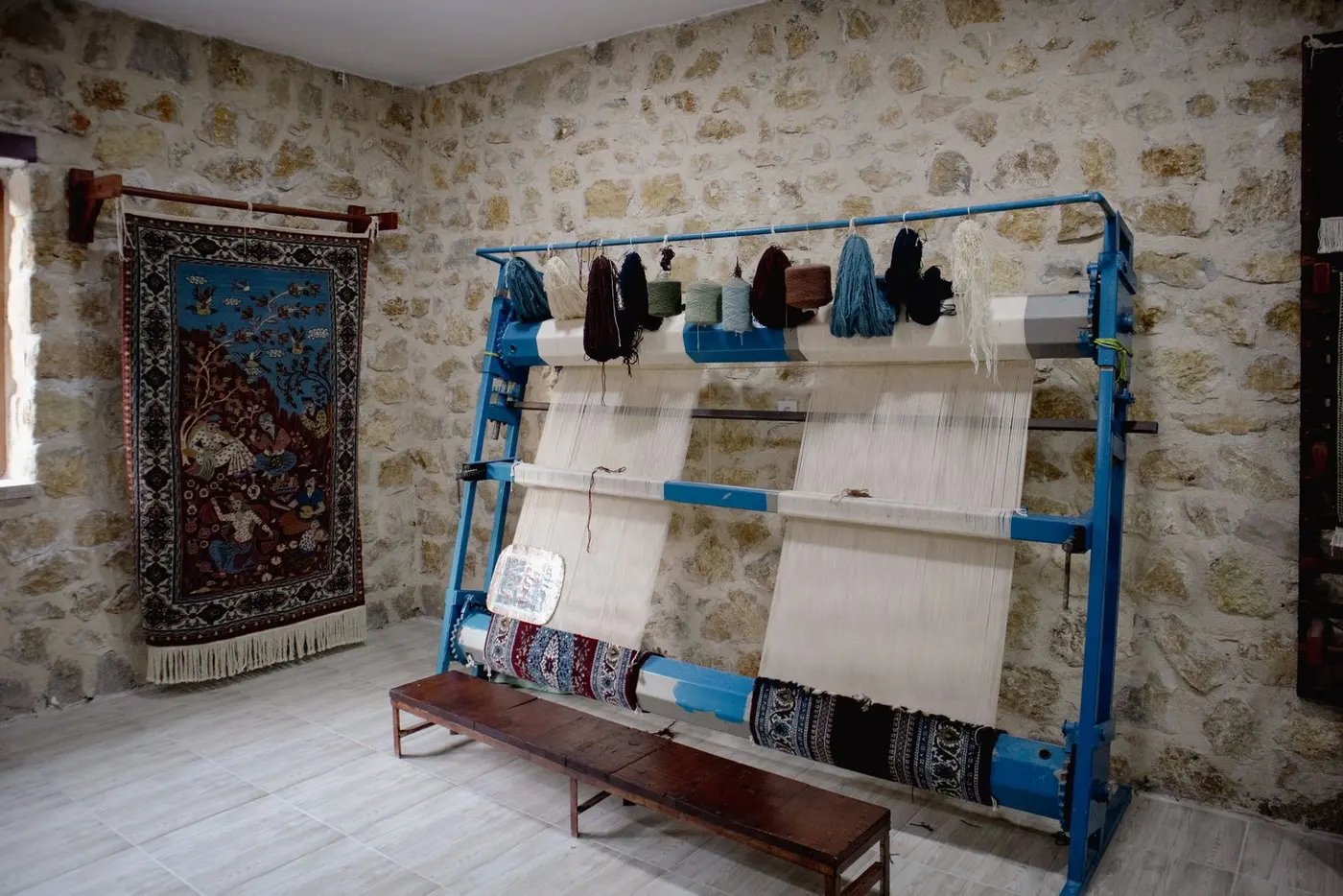
A power loom is exactly that — powered, continuously, for every metre it weaves. A hand-knotting loom, a tufting frame or a handloom runs on human skill; the electricity a handmade facility uses concentrates in dyeing and finishing, where renewable generation (like our rooftop solar plant) can offset it. Per square metre of rug, the embodied production energy of handwork is a fraction of industrial weaving.
Durability: The Multiplier Nobody Counts
Environmental cost is paid per year of service, not per purchase. Hand-knotted rugs routinely serve for generations and are repaired rather than replaced; quality hand-tufted and handloom pieces outlast their machine-made equivalents decisively. Every replacement avoided is an entire manufacturing footprint avoided — the single largest sustainability lever in the category.
Materials and Waste
Handmade production overwhelmingly uses natural, biodegradable fibres, and its waste streams are modest: yarn ends and shearing flock rather than industrial offcut volumes. Made-to-order production — the norm in handmade export — means rugs are woven against real demand, not speculative overstock destined for clearance or landfill.
The Human Economy
Sustainability includes people. Handmade rugs convert buyer spending into skilled artisan livelihoods — in Bhadohi's case, sustaining a generational craft community — rather than into machine depreciation. Audited frameworks like Sedex make those conditions verifiable rather than romantic.
None of this requires taking our word: visit a handmade facility and count the motors. See how our rugs are made — or better, come to Bhadohi and watch.