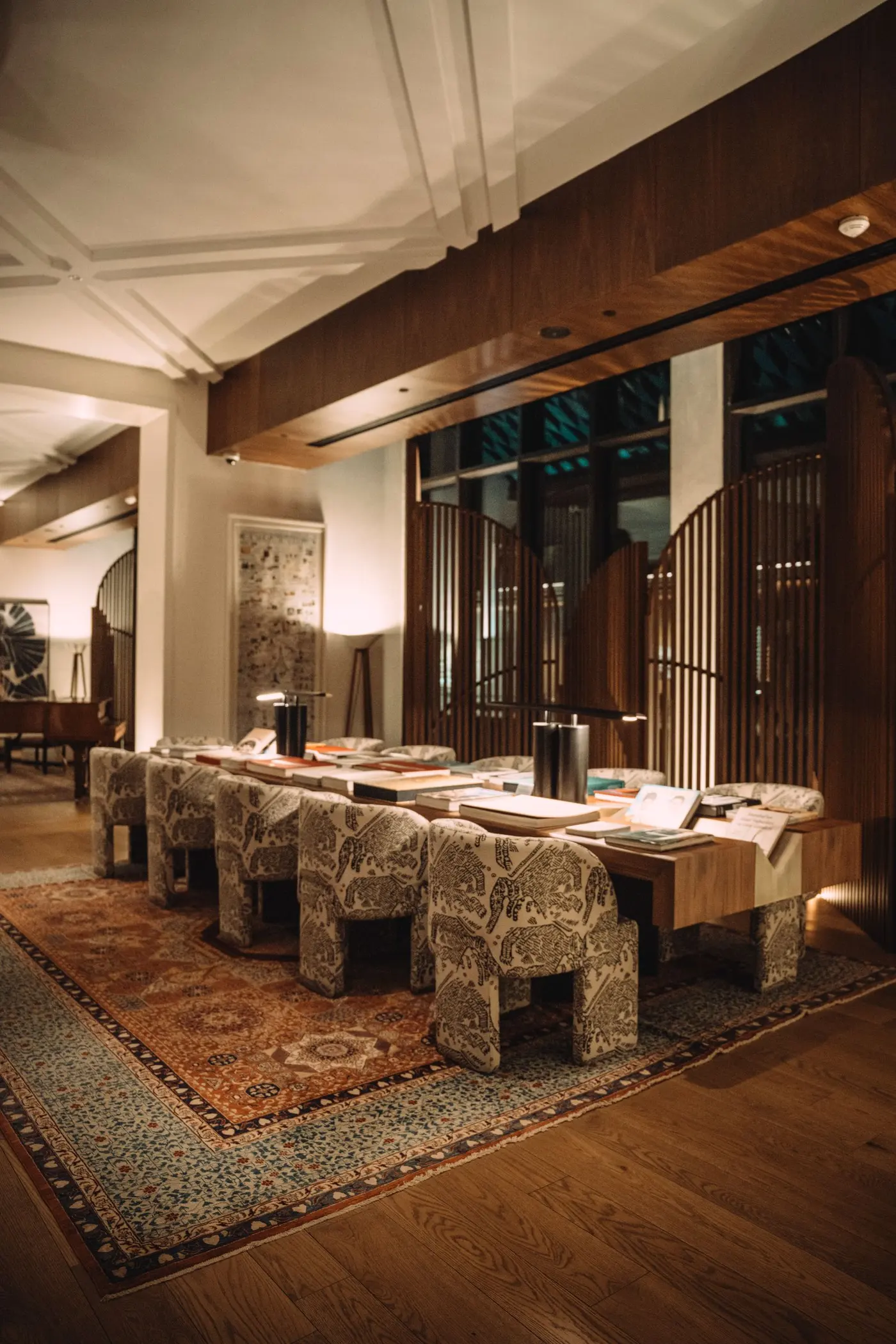
The UAE is two rug markets in one: a wealthy domestic market with a deep cultural relationship to carpets, and a re-export hub through which goods flow to the wider Gulf. For a small importer — or an ambitious trader — it is one of the most interesting bases in the trade. Here is the UAE-specific layer.
Registration and Entry
Importing commercially requires a UAE trade licence with an appropriate activity and an importer code with customs. Mainland licences serve the domestic market directly; free-zone setups suit re-export models — goods can enter, store and re-ship from free zones without paying mainland duty. Most small importers work through the established brokers and forwarders that make Dubai's ports among the world's most efficient.
Duty and Tax
The GCC common external tariff has historically set a modest flat rate on most goods including carpets, with VAT at import (recoverable for registered businesses). Confirm current rates — but duty is rarely the obstacle in this market; competition is.
The Market Itself
- The majlis tradition keeps demand for large, fine, traditional pieces alive alongside contemporary tastes.
- Villa scale: Gulf rooms are big — oversized rugs that would be special orders in Europe are stock sizes here.
- Hospitality: the region's hotel pipeline generates constant contract and custom demand.
- Design-forward retail: Dubai's interiors scene moves fast and pays for exclusivity.
India's Advantage
Proximity is real: sailings from India's west-coast ports to Jebel Ali are short, making the UAE one of the fastest-replenishing markets an Indian factory serves. We have shipped to Gulf buyers for decades, majlis sizes included. Ask for a Gulf-ready quotation.