Handmade rugs cannot be rushed off a shelf — they are made after you order them. The importers who never miss a season are not the lucky ones; they are the ones who run the calendar backwards. Here is the arithmetic and the habit.
The Real Timeline, End to End
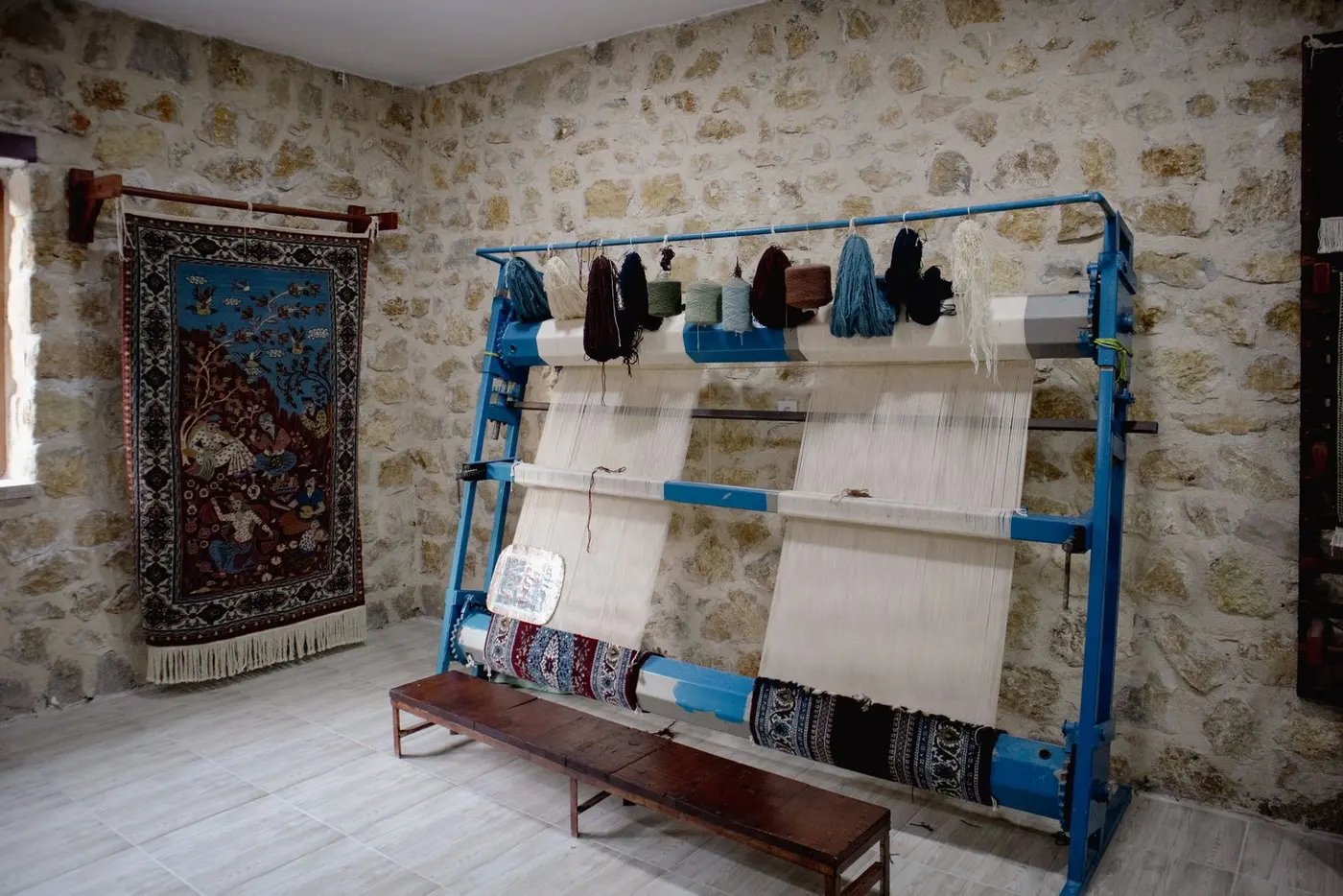
Add the honest stages: sampling if the design is new (2–4 weeks), production (6–12 weeks depending on construction and volume), export packing and booking (about a week), ocean transit to Europe or North America (3–6 weeks port to port), clearance and delivery (a few days to a week). A new design realistically stands 4–6 months from brief to sellable stock; a straight reorder of an existing design compresses to roughly 3–4 months.
Run the Calendar Backwards
Want stock selling in October for the autumn-winter peak? It clears customs in September, sails in August, finishes production in July — which means the order confirms by May and the designs were chosen in spring. Every retail season in this trade is decided two seasons earlier; write those trigger dates into your actual calendar.
Build In the Buffers That Reality Charges
- Two weeks of schedule slack — vessels roll bookings, monsoons slow trucking, holidays close ports.
- Know the calendar collisions: Indian festival seasons (notably around Diwali) and Chinese New Year's effect on vessel space both compress shipping windows.
- Reorder triggers by stock cover, not instinct: when a bestseller drops below three months of cover, the reorder is already slightly late.
What a Supplier Owes Your Calendar
Dated milestones — dyeing complete, weaving, finishing, packed — reported without being chased, and honest dates rather than optimistic ones. That discipline is why our buyers plan seasons with confidence. Ask for a dated production plan with your next quotation.