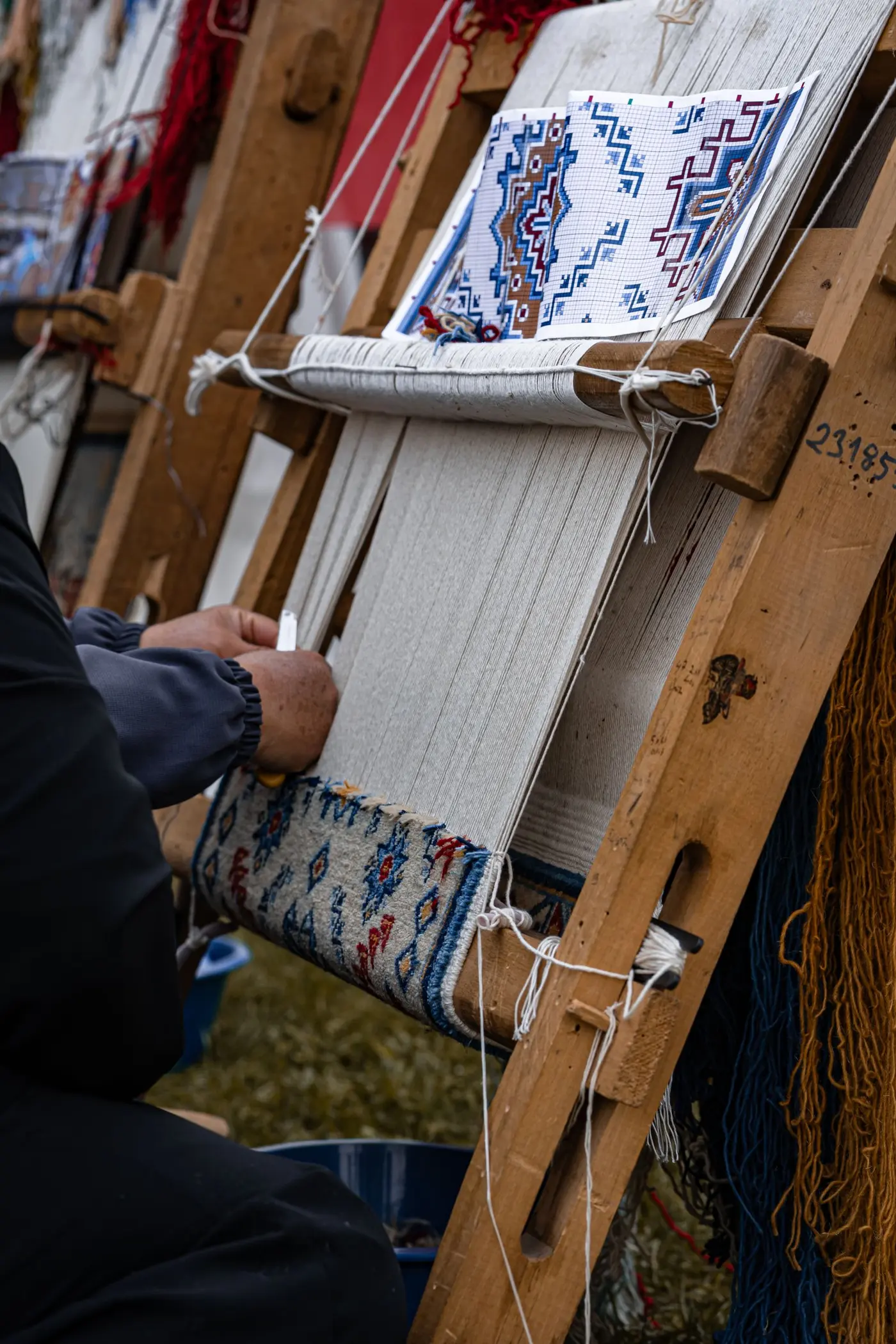
Sampling is where a rug programme succeeds or fails — yet it is the stage buyers most often rush. Understanding what happens between "we like this design" and "the container has shipped" helps you plan ranges realistically and judge suppliers fairly. Here is the honest timeline of handmade rug production.
The Sampling Stage: 2–4 Weeks
A sample (or "strike-off") proves the design in yarn before bulk money is committed. The factory dyes small yarn lots to your colour references, weaves a corner piece or full small rug, and finishes it exactly as production would. Two to four weeks is normal; complex hand-knotted samples take longer. Insist on seeing the actual construction you will buy — a hand-tufted sample tells you nothing about a handloom product.
What to Check on a Sample
- Colour against your physical standard, in daylight and artificial light
- Pile height, density and hand-feel
- Edge binding, corners and backing neatness
- Shading and abrash within tolerance you accept
Approve in writing, keep the sample as the production reference, and require the supplier to keep its counter-sample.
Bulk Production: 6–12 Weeks
Confirmed orders move through yarn procurement and dyeing (1–2 weeks), weaving (2–6 weeks depending on construction and volume), then finishing — washing, stretching, shearing, binding — and final inspection (1–2 weeks). Hand-knotted pieces sit at the long end; handloom and flatweave at the short end. Reorders run faster because designs, dyes and specifications already exist.
How Good Suppliers Compress Time
Vertical integration is the honest shortcut: when dyeing, weaving and finishing share one campus, no days are lost trucking work-in-progress between subcontractors. That is how our Bhadohi facility keeps 6–12 week promises without cutting finishing corners — and why we notify buyers at every milestone. Ask us for a dated production plan with your next quotation.