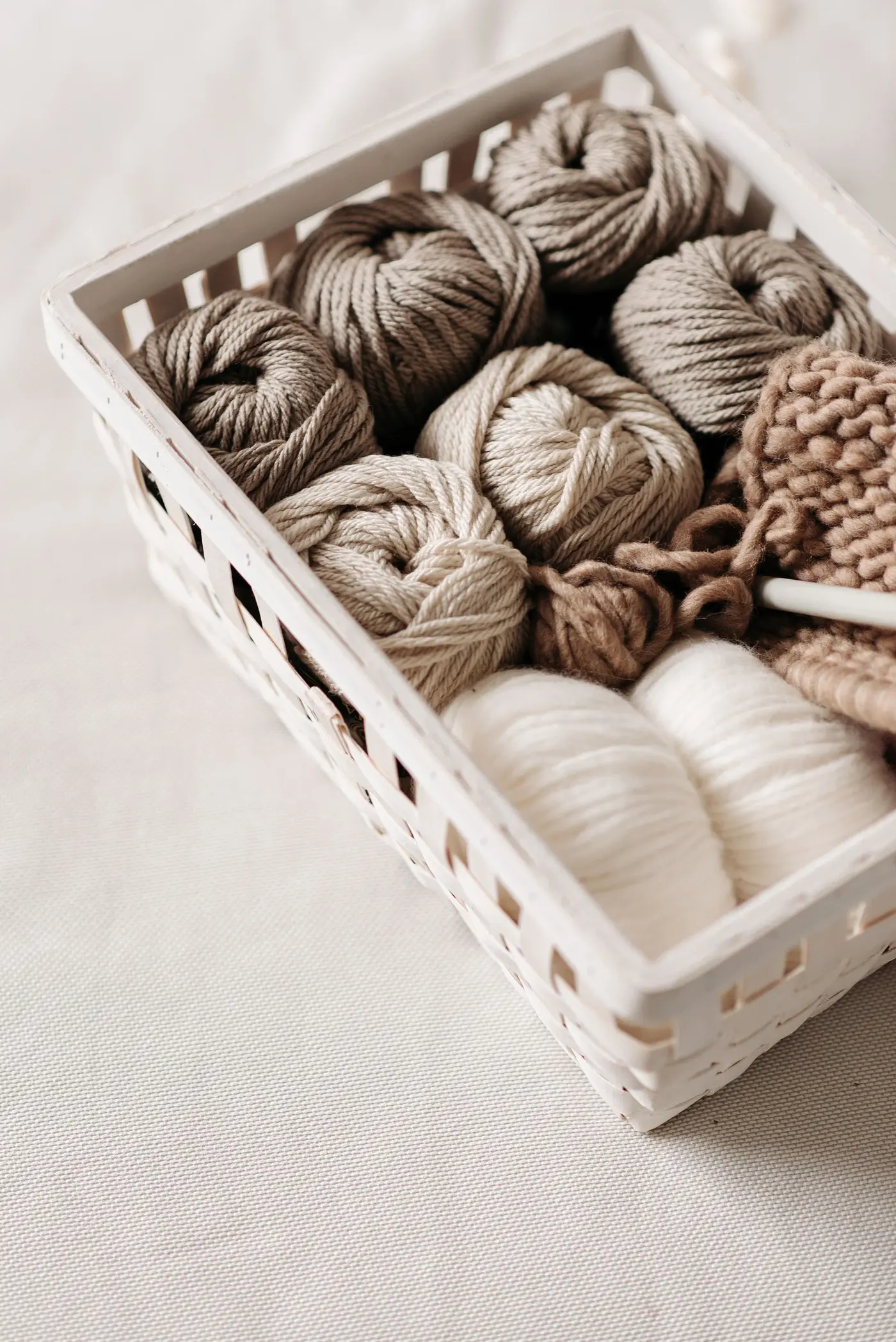
Wool has been the backbone of fine rug-making for millennia, and nothing modern chemistry has produced truly replaces it. For buyers building a rug range, understanding wool — where it comes from, how it behaves and why it costs what it does — is fundamental. Here is the working knowledge we share with every new client.
Why Wool Endures
Each wool fibre is a natural spring that recovers from compression, which is why a quality wool rug refuses to flatten under years of footfall. The fibre's scaly surface hides soil, its natural lanolin resists staining, and it is inherently flame-resistant — self-extinguishing rather than melting like synthetics. Wool also regulates humidity and holds dye beautifully, giving colours a depth that flat synthetic fibre cannot reproduce.
Not All Wool Is Equal
Origin and processing decide quality. Highland wools with longer staple and higher lustre command premiums; blended Indian wools offer excellent resilience at accessible prices; and hand-spun yarns bring the tonal irregularity designers prize in textural rugs. Ask your supplier what wool a quotation actually contains — a fair factory will tell you precisely, because the wool is often half the cost of the rug.
Construction Pairings
- Hand-knotted wool: the heirloom standard — decades of life, improves with age.
- Hand-tufted wool: dense, soft pile with full design freedom; the hospitality workhorse.
- Handloom and flatweave wool: textural, contemporary, faster to produce — ideal for volume programmes.
Caring for the Investment
Wool asks little: regular vacuuming without a beater bar, immediate blotting of spills, rotation twice a year, and professional cleaning when needed. Expect some initial shedding from cut-pile wool — it is loose staple, not a defect, and settles within weeks.
Deepak Carpets has woven wool in Bhadohi since 1979, dyeing and spinning under our own roof for consistency no outsourced supply chain matches. Browse our wool collections or request yarn samples to judge the fibre yourself.