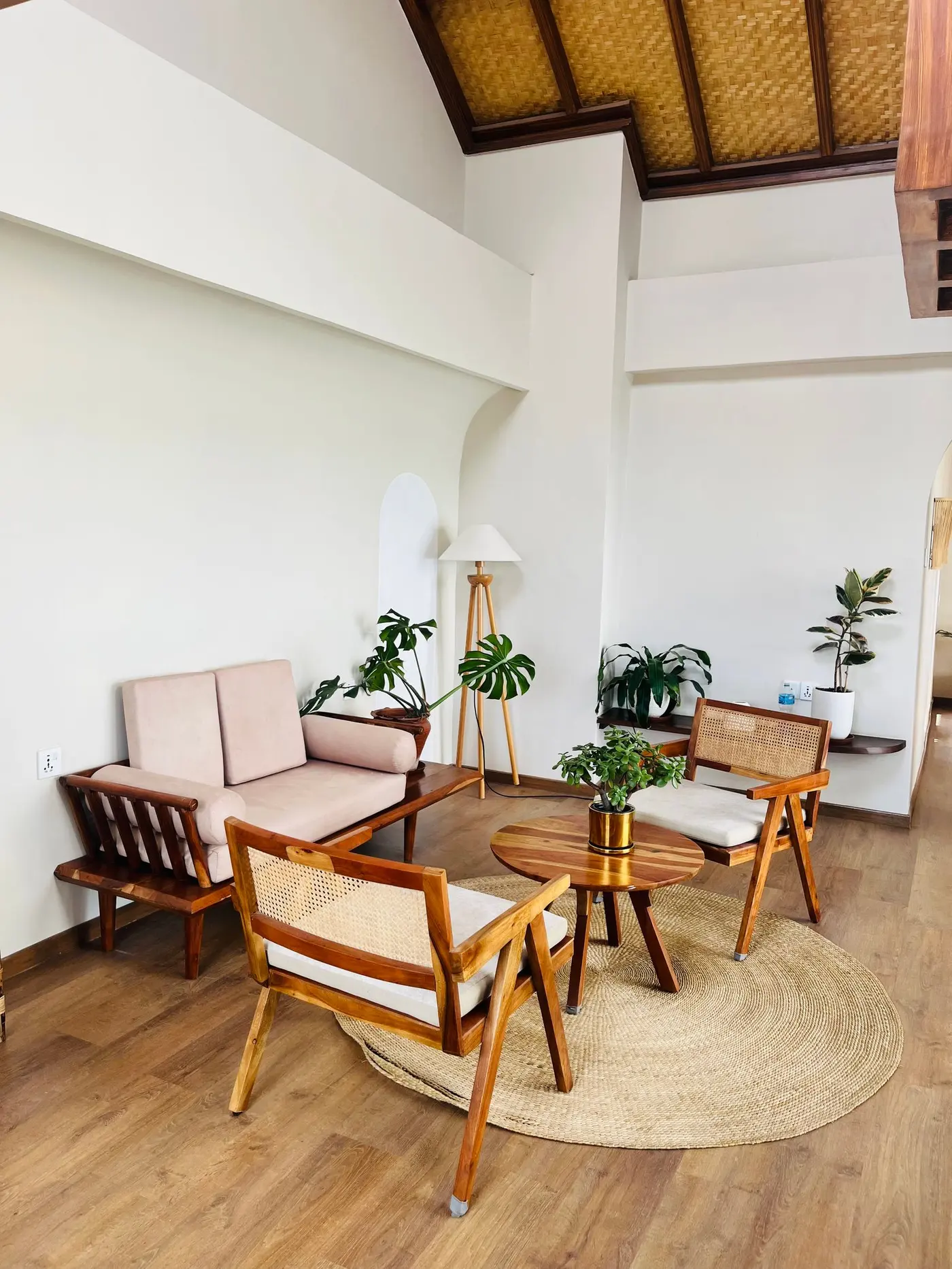
The most common strategy mistake new rug importers make is stocking "a bit of everything". The importers who grow fastest pick a niche, own it, and expand from strength. Rugs reward this unusually well, because each niche has distinct constructions, price points and customers.
Niches That Work for Small Importers
- Natural-fibre texture: jute, wool-jute blends, chunky handloom weaves. Rides the modern-organic trend, accessible price points, photographs beautifully.
- Flatweaves and kilims: reversible, lightweight (cheaper freight per piece), bold and giftable. Strong online sellers.
- Custom and made-to-size: serve interior designers who cannot find standard sizes. Higher touch, higher margin, almost no inventory risk.
- Outdoor rugs: recycled-PET weaves for terraces and patios — a growing category with less handmade competition.
- Premium hand-knotted: low volume, high value, knowledgeable customers. Better as a second phase than a first.
How to Choose Between Them
Score each niche against three tests: do you understand the customer personally, can you reach them affordably, and can you fund the stock? A former designer should sell to designers; a strong Instagram operator should pick the photogenic texture niche. The niche you can market beats the niche with the best margins on paper.
Why the Supplier Matters to the Choice
A vertically integrated factory weaves multiple constructions under one roof — which means you can pilot two niches in one consolidated shipment and let sell-through decide. That is exactly how we structure first orders for new importers in Bhadohi. Tell us the niches you are weighing and we will quote a split pilot order.