"Eco-friendly rug" is one of the fastest-growing search terms in the category — and one of the least precise. Fibres differ enormously in their environmental profiles, and an honest ranking helps buyers build ranges they can defend. Here is how the common rug materials compare.
The Natural Leaders
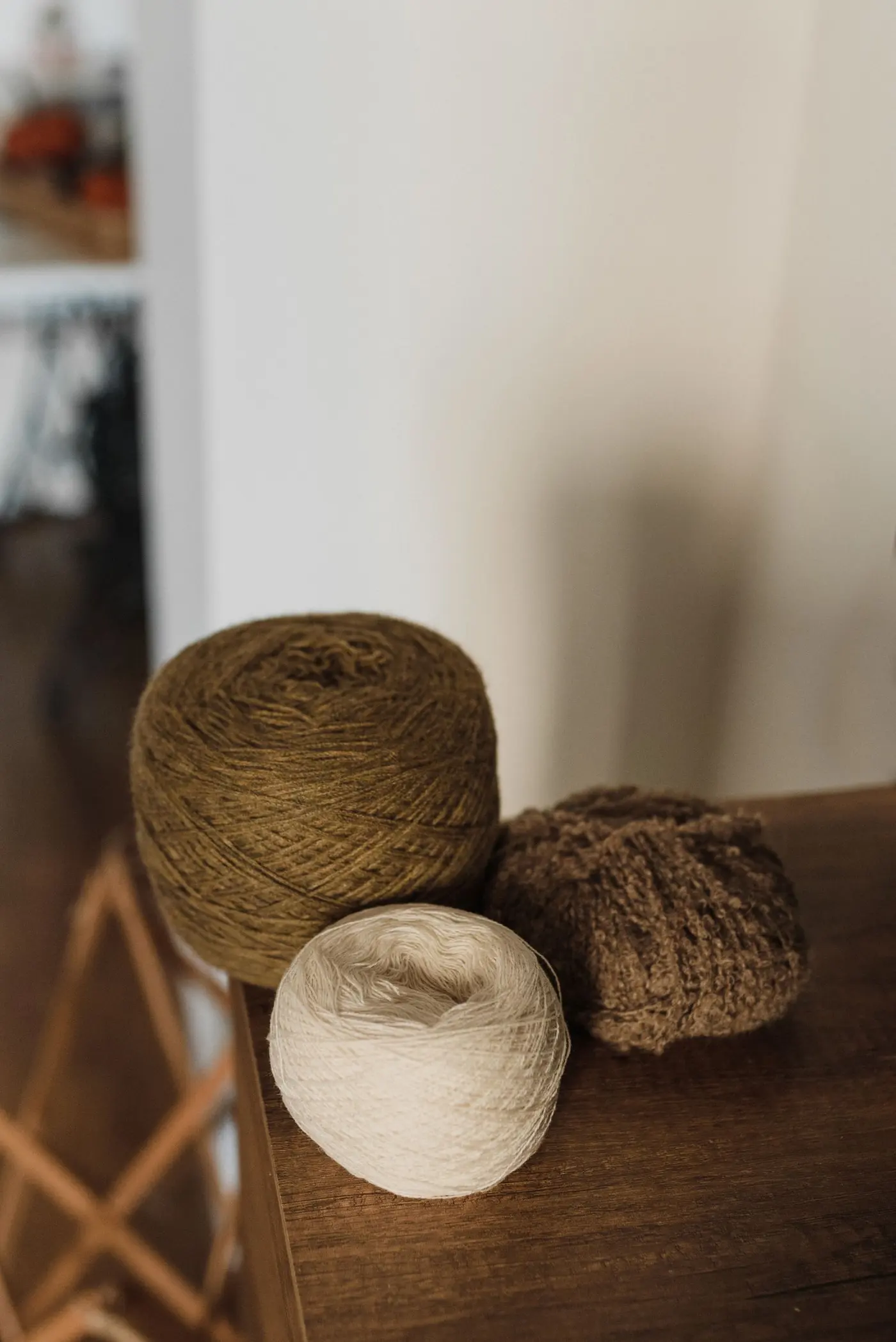
Jute sits at the top: a fast-growing annual crop raised largely on rainfall, needing minimal fertiliser, fully biodegradable, and processed with little chemistry. Wool follows closely — renewable, biodegradable, extraordinarily durable (longevity is sustainability), though its footprint includes land use and methane from sheep. Cotton is biodegradable and recyclable but thirstier in cultivation; organic and recycled cotton improve the picture significantly.
The Interesting Middle
Recycled PET earns its place by diverting plastic bottles into durable yarn — no new petroleum, excellent longevity outdoors — though it remains plastic, with microfibre shedding to consider. Bamboo silk and viscose start from renewable cellulose, but the regeneration process is chemical-intensive; responsibly managed production (closed-loop processing, certified feedstock) matters more than the fibre name.
The Fibre Is Half the Story
A rug's footprint is fibre plus process plus lifetime. Handmade production is intrinsically low-energy — hands, not powered looms. Dyehouse practice determines water impact. And durability quietly dominates the whole equation: a wool rug serving thirty years beats three synthetic rugs serving ten each, whatever the labels say. Repairability pushes handmade construction further ahead.
Building a Defensible "Eco" Range
- Lead with jute, wool and blends — authentic stories, current aesthetics
- Use recycled PET for outdoor and utility positions, named honestly as recycled synthetic
- Ask suppliers for facility-level evidence: audits, energy sources, water practice
Our natural-fibre collections are woven in Bhadohi under Sedex-audited conditions with solar-assisted power — the facility evidence behind the fibre story. Read how we manufacture, then request the eco range samples.