Three kinds of counterparty will answer your sourcing enquiry from India: manufacturers, trading houses and buying agents. All three can be legitimate; they simply sell different things at different costs. Knowing which you are talking to — and they do not always volunteer it — is the first skill of an importer.
The Manufacturer
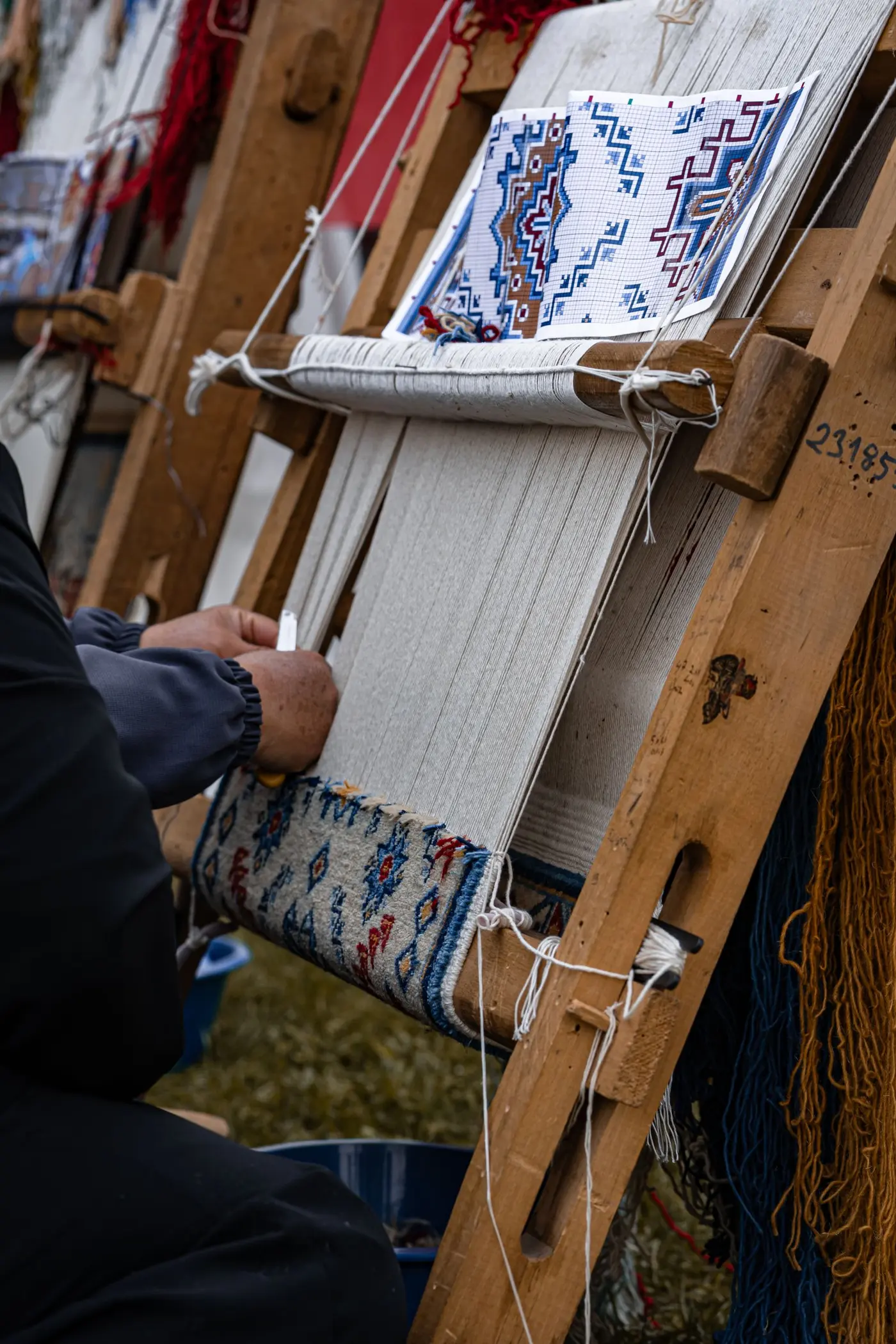
Owns looms, employs weavers, controls dyeing and finishing. Prices come from its own cost base; quality questions get answered from knowledge; problems get fixed on its own floor. The trade-offs: a single factory's design range is its own, and the very largest may be indifferent to small buyers. A mid-sized, vertically integrated exporter is the sweet spot for a growing importer.
The Trading House
Buys from many factories and workshops, aggregates, and resells with a margin. Genuine value when you need wide variety in one consolidated shipment or tiny quantities of many things. The costs: the margin itself, a layer of distance from production, and quality control by inspection rather than by process — the trader can reject a bad rug but could not have prevented it.
The Buying Agent
Works for you, for a commission (typically a percentage of order value): finds factories, negotiates, inspects, chases. Useful for buyers running many suppliers or complex programmes remotely. For a small importer with one or two good factory relationships, an agent is usually a cost without a function.
The Sorting Questions
Ask: "Do you weave this yourselves? Can I visit or video-tour the production? Whose audit certificates are these?" Watch for answers that quietly shift from "we" to "our partners". We are the first kind — everything under one roof in Bhadohi since 1979, and the tour is always open. Ask us anything a middleman couldn't answer.