Warp, weft, pile, selvedge — the vocabulary of rug construction sounds arcane until you see what each part does. Ten minutes with the anatomy of a handmade rug turns a buyer from a price-comparer into a quality-judge, so here is the working tour we give visitors to our factory.
The Skeleton: Warp and Weft
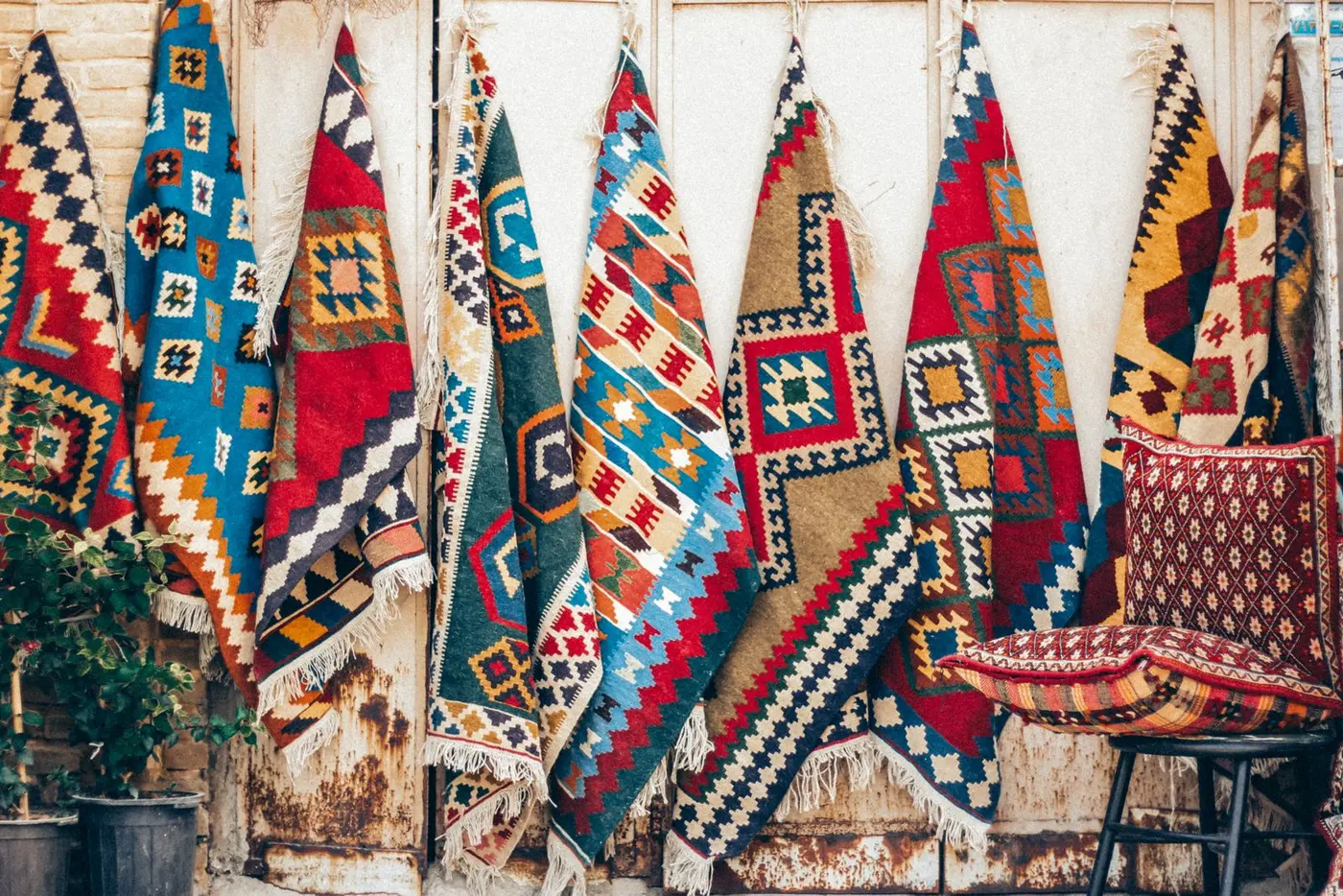
The warp is the set of threads running the rug's length, stretched on the loom before weaving begins — the rug's spine, usually cotton for stability. The weft runs crosswise, locking each row of knots or tufts in place. Together they form the foundation; their material and tension decide whether a rug lies flat and stays square for decades. The fringe on a knotted rug is simply the warp ends emerging from the weave — structural, not decorative.
The Flesh: Pile
The pile is the surface you touch — yarn knotted, tufted or looped into the foundation. Its fibre (wool, viscose, jute, blends), height, and density determine feel, durability and appearance. Density is the quality headline: more yarn per square metre means better wear, richer colour and a heavier rug. Lift a corner — weight per size is the quickest honest quality check there is.
The Edges: Selvedge and Binding
The selvedge is the reinforced side edge where wefts turn back; on finished rugs, edges are overlocked or bound by hand. Edges take the earliest wear, so neat, tight, straight binding is a reliable proxy for overall production discipline.
The Back Tells the Truth
Turn any handmade rug over. On a knotted rug you can read the design and count knots; on a tufted rug you see the secondary backing whose evenness reveals latexing quality; on flatweaves, front and back should mirror. Sloppy backs predict problems fronts conceal.
Every element above is produced and inspected in-house at our Bhadohi facility. See how the anatomy comes together, or request a cut-section sample — the most persuasive rug education there is.