Sustainability claims in manufacturing often live in brochures. Solar panels live on roofs, generating measurable kilowatt-hours in plain sight — which is why on-site renewable energy has become one of the most credible signals a factory can offer. Here is how solar power fits into carpet manufacturing, and what we have learned running it ourselves.
Where Energy Goes in a Carpet Factory
Handmade production is inherently low-energy at the loom — human hands, not motors, do the weaving. The energy footprint concentrates in the supporting stages: dyeing (heating water), washing and drying, finishing equipment, lighting and compressed air. Offsetting these loads with renewable generation cuts the footprint of every rug that passes through the facility.
Our Installation
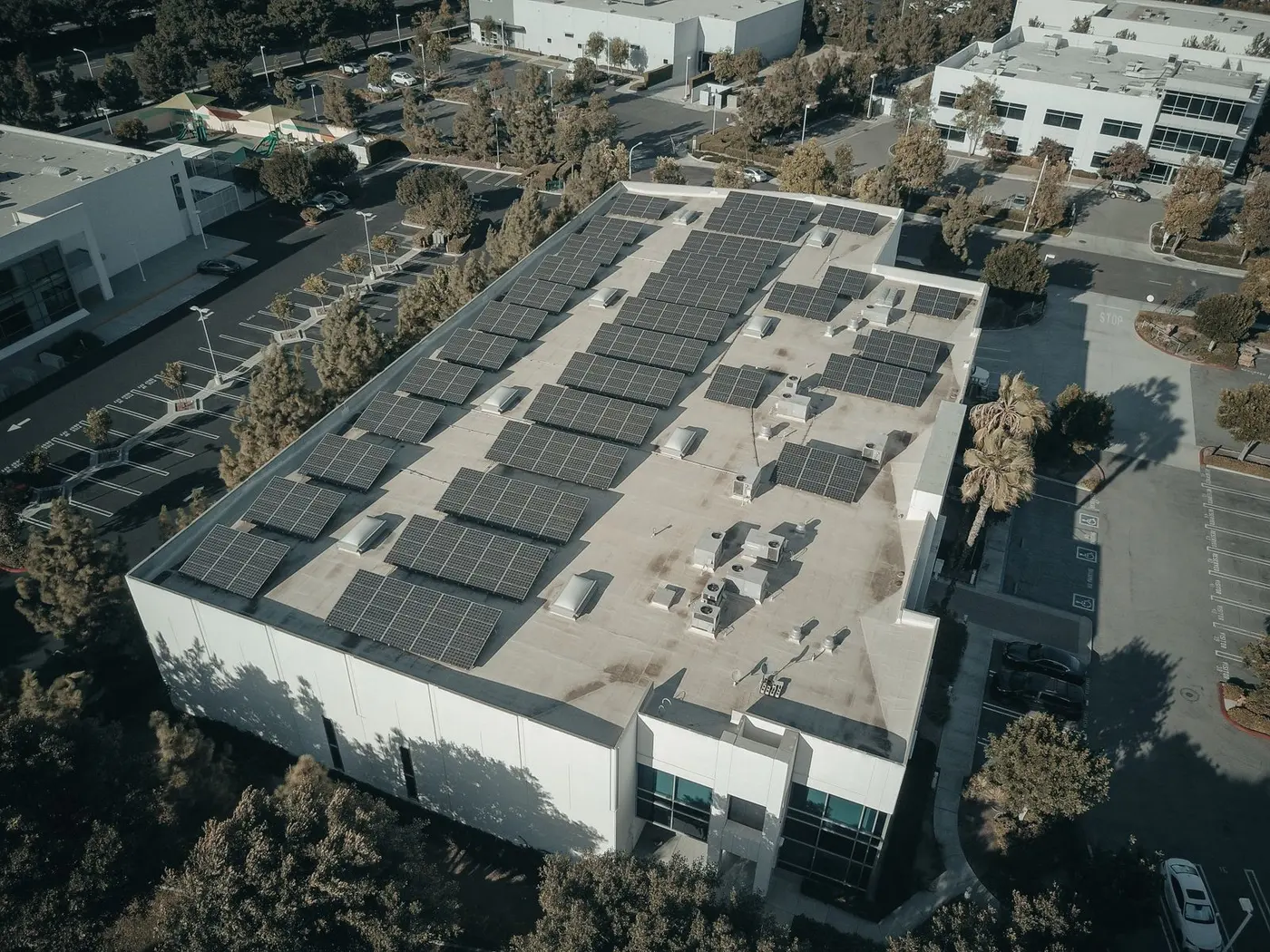
Deepak Carpets operates a 5KW rooftop solar plant at our Bhadohi facility, feeding directly into our daytime operations — precisely when production runs. Alongside it, our PVC greenhouse latexing setup uses passive solar heat to cure rug backings efficiently, reducing the fuel that stage would otherwise demand. Neither investment is dramatic; both are real, visible and quietly effective, and both feed data into our Higg Index assessment.
Why On-Site Generation Matters to Buyers
- Verifiability: a solar plant can be photographed, metered and audited — no certificates required to believe it.
- Scope-2 reductions: renewable self-generation directly lowers the emissions your supply chain inherits from purchased electricity.
- Grid resilience: stable daytime power protects dye-lot consistency and delivery schedules in regions where the grid fluctuates.
Part of a Larger Whole
Solar is one strand of responsible manufacturing, alongside audited labour standards, water management and waste discipline. The point is direction: measurable steps, taken seriously, year on year. See our full sustainability picture — or ask for the numbers; we are happy to share them.