A small rug importer cannot outspend the flat-pack giants — but does not need to, because you hold marketing material they cannot buy: every rug you sell has a place, a maker, a fibre and a technique behind it. Provenance is your advertising budget. The work is telling it honestly and well.
The Four Stories in Every Handmade Rug
- The place: Bhadohi, the Carpet Capital of India — a district that has woven for generations, not an anonymous factory floor.
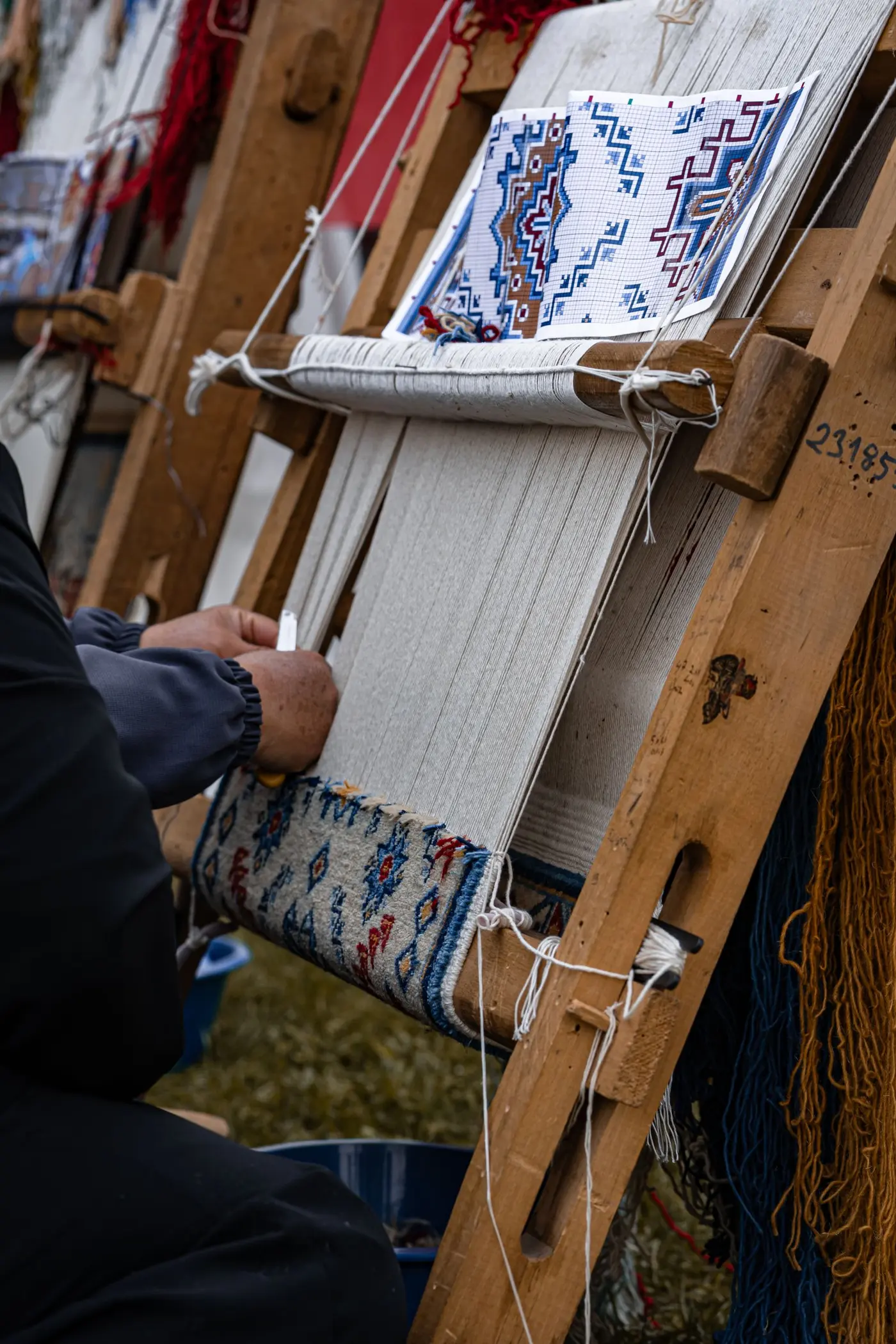
- The making: hands, looms, weeks. A thirty-second video of tufting or knotting outperforms any product render.
- The material: wool's resilience, jute's rain-fed sustainability, the story of natural fibre in an age of plastic.
- The ethics: audited factories, solar power, verified conditions — told with documents, not adjectives.
Ask Your Factory for the Assets
A good manufacturing partner is a content mine: production photos and videos of your own orders, artisan and loom imagery, fibre close-ups, certification documents. Ask for footage of your rugs being made — customers watching their design on the loom is the strongest conversion content in the category. We supply it gladly; the factory is the best marketing we have.
Where the Story Works Hardest
Product pages (a "how it was made" section lifts conversion and justifies price), Instagram and Pinterest (rugs are among the most-pinned home products), email (the order-to-delivery weeks are a storytelling window, not a silence), and press — local journalists love an import story with a human supply chain.
One Rule
Every claim traceable, every image real. Authenticity audits itself in this category. Ask us for a marketing asset pack with your first order.