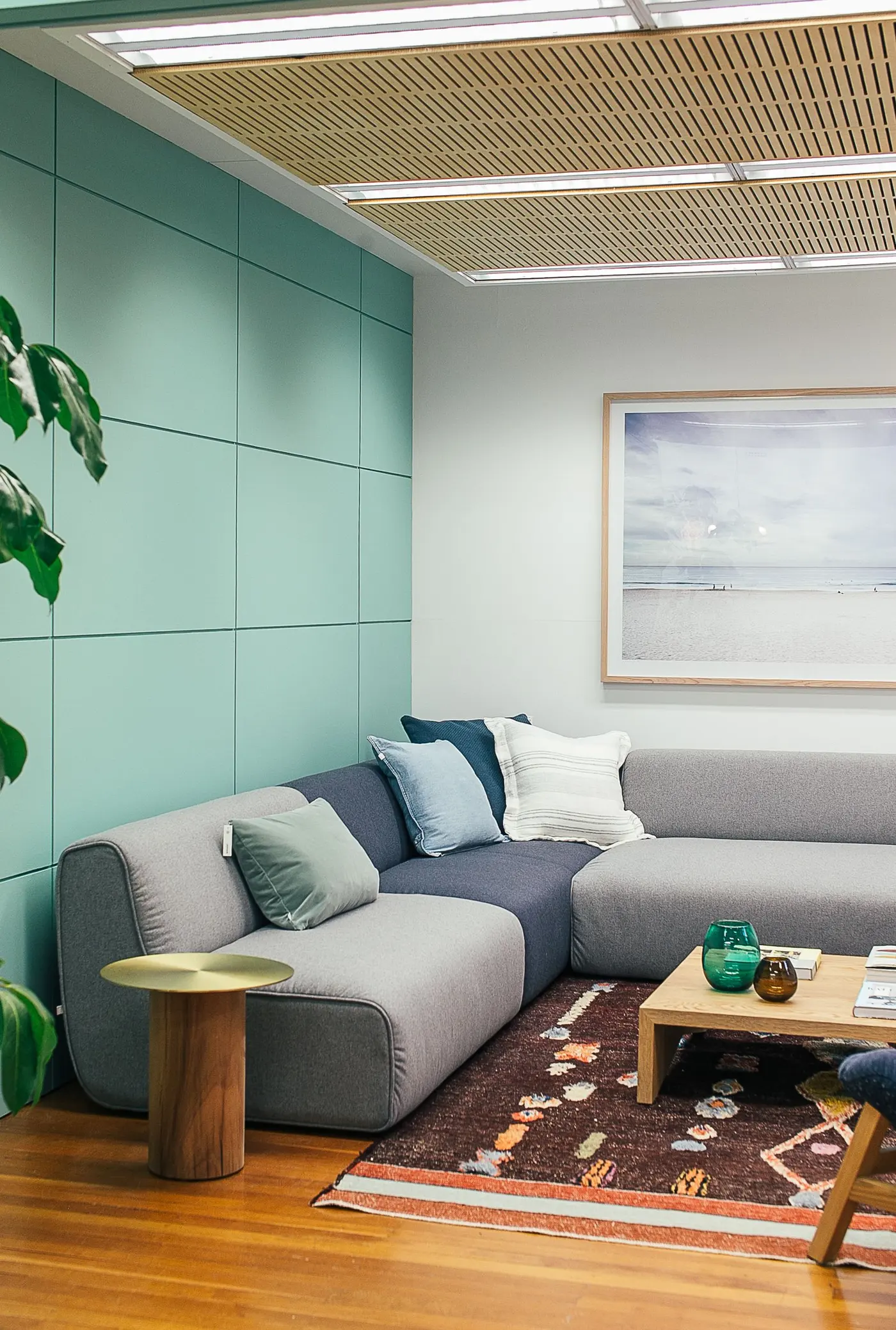
Selecting the right rug is one of the most impactful design decisions in any interior. Get it right and the room comes together; get it wrong and even the finest furniture can feel unsettled. Here is a practical framework for making the right call, every time.
Start with Size
The single most common mistake in rug selection is going too small. As a general rule, all key furniture legs in a seating area should rest on the rug — or at minimum the front legs. In a dining space, the rug should extend at least 60cm beyond the table on all sides to accommodate chairs when pulled out.
Pile Height and Feel
Low-pile rugs (under 10mm) are practical, easy to clean, and work well under furniture or in high-traffic areas. High-pile and shaggy rugs create warmth and softness underfoot but require more maintenance. Medium-pile rugs offer the best of both worlds for most residential applications.
Fibre Type
- Wool: Durable, naturally stain-resistant, excellent for residential and hospitality use
- Viscose/Silk blend: Luxurious sheen, ideal for low-traffic feature areas
- Jute/Cotton: Natural, casual aesthetic — great for layering or relaxed interiors
- PET/Synthetic: Outdoor-rated, easy-clean, resilient under heavy use
Colour and Pattern
In smaller rooms, lighter rugs and smaller-scale patterns make the space feel larger. In larger, well-lit rooms, deep colours and bold geometric or floral patterns can anchor the space dramatically. When in doubt, a neutral base with textural interest — such as a flatweave or tone-on-tone pile rug — is a versatile choice that works across multiple design styles.
Working with a Bespoke Supplier
If you cannot find exactly what you need off the shelf, working directly with a manufacturer like Deepak Carpets gives you full control over dimensions, colour, pattern, and pile height. Custom production lead times are typically 6–12 weeks depending on complexity and order volume.