The Higg Index has become one of the most referenced sustainability frameworks in textiles — and one of the least understood outside compliance departments. If suppliers you evaluate cite Higg scores, here is what is actually being measured and why it is worth your attention.
Where Higg Comes From
The Higg Index was developed by the Sustainable Apparel Coalition (now Cascale), an industry body spanning global brands, retailers and manufacturers, to standardise how environmental and social performance is measured across textile supply chains. Rather than a pass/fail certificate, it is a suite of assessment tools producing comparable scores.
The Facility Tools That Matter for Rugs
For a carpet buyer, the relevant module is the Higg FEM (Facility Environmental Module), which a production site completes annually. It measures, in structured detail: energy use and greenhouse-gas emissions, water consumption, wastewater handling, air emissions, waste management, and chemical management systems. A companion social module (FSLM) covers labour conditions. Self-assessments can be independently verified, which upgrades their credibility considerably.
Why Buyers Should Care
Three reasons. First, Higg turns vague "eco-friendly" claims into numbers — a facility either tracks its water per unit of production or it does not. Second, major retailers increasingly request Higg data during onboarding, so sourcing from assessed factories future-proofs your own compliance. Third, the annual cycle drives real improvement: facilities that measure, manage.
Reading a Supplier's Higg Story
Ask which modules the facility completes, whether results are verified, and what improvements recent cycles produced. A supplier who answers specifically — kilowatt-hours saved, water recycled, chemicals substituted — is running the framework as intended.
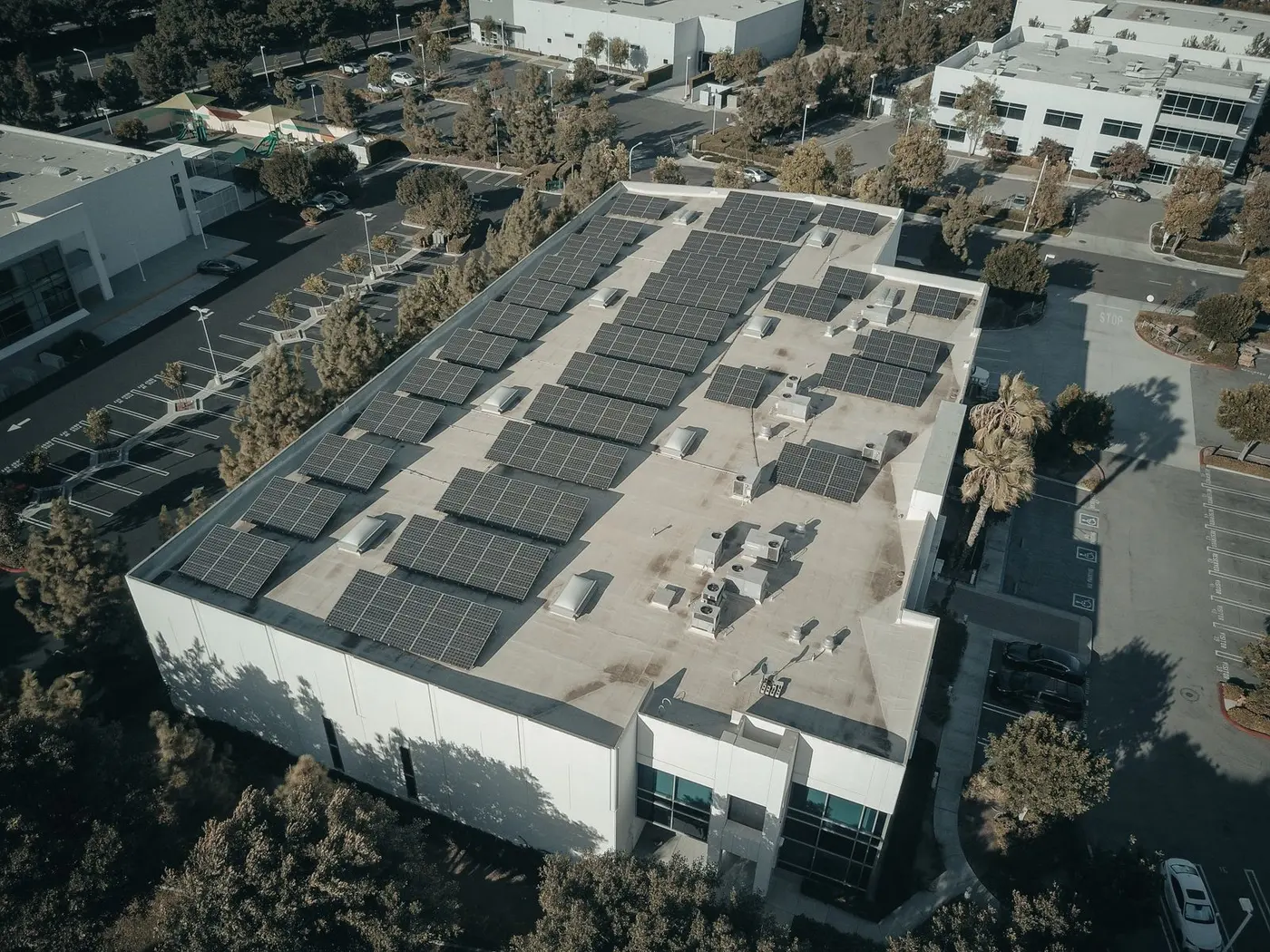
Deepak Carpets participates in the Higg Index alongside our Sedex membership, with measures like our solar installation and eco-efficient greenhouse latexing feeding directly into the assessment. See our Higg page, or request our current assessment summary for your compliance file.