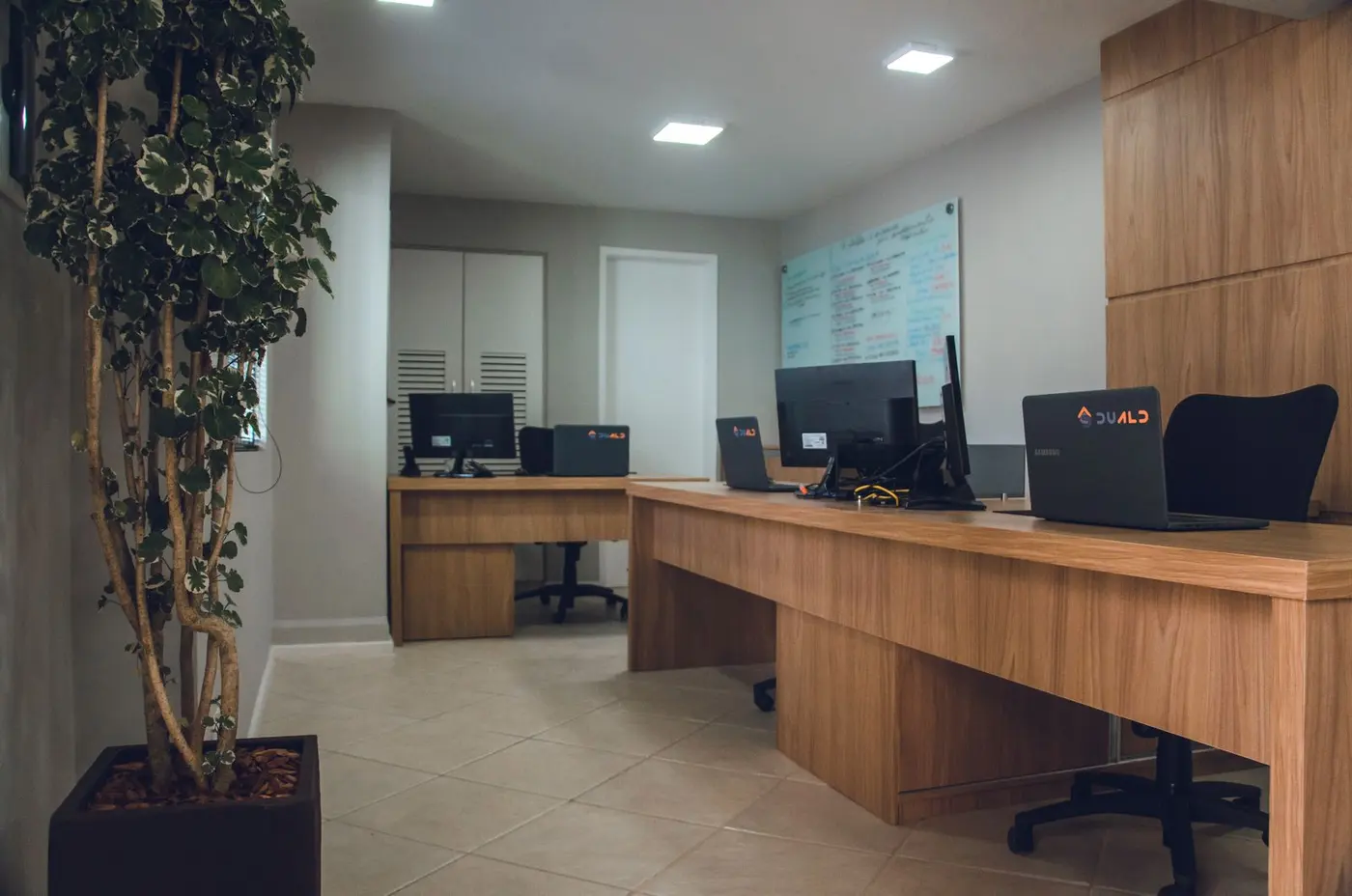
Offices have rediscovered softness. After decades of hard flooring and acoustic complaints, workplace designers are deploying rugs to zone open plans, tame noise and make workplaces feel worth commuting to. Specifying rugs for commercial interiors differs from residential in every parameter — here is the professional checklist.
What Rugs Do in Workplaces
Three jobs. Zoning: in open plans, rugs define collaboration areas, lounge corners and meeting zones without a single partition. Acoustics: soft pile absorbs the mid-frequency chatter that hard surfaces amplify — measurable relief in echoing fit-outs. Culture: texture and warmth signal hospitality-grade care for staff and visitors, which is precisely the point in hybrid-era offices competing for attendance.
Commercial-Grade Specification
Traffic in circulation zones is relentless, so specify accordingly: dense low-cut or loop pile, wool or wool-rich blends for resilience and inherent flame resistance, and constructions that tolerate professional cleaning cycles. Colour and pattern work defensively — mid-tones and tonal texture hide the day. Under task chairs, skip rugs entirely or use tight flatweaves; castors destroy plush pile.
Placement Map
- Reception: the statement piece — a custom rug carrying brand colour or motif sets tone immediately.
- Meeting rooms: acoustic softening plus definition under the table; low pile for chair movement.
- Breakout and lounge zones: the most residential moment — textural handloom weaves invite occupation.
- Executive and client suites: where hand-knotted or fine tufted pieces justify themselves.
Procurement Notes
Commercial projects benefit from manufacturer-direct sourcing: custom sizing to furniture plans, documented specifications for facilities teams, and reorder continuity as offices expand. We produce office programmes in Bhadohi with contract-grade construction and bespoke design service. Send your fit-out plan for a zoned rug proposal.