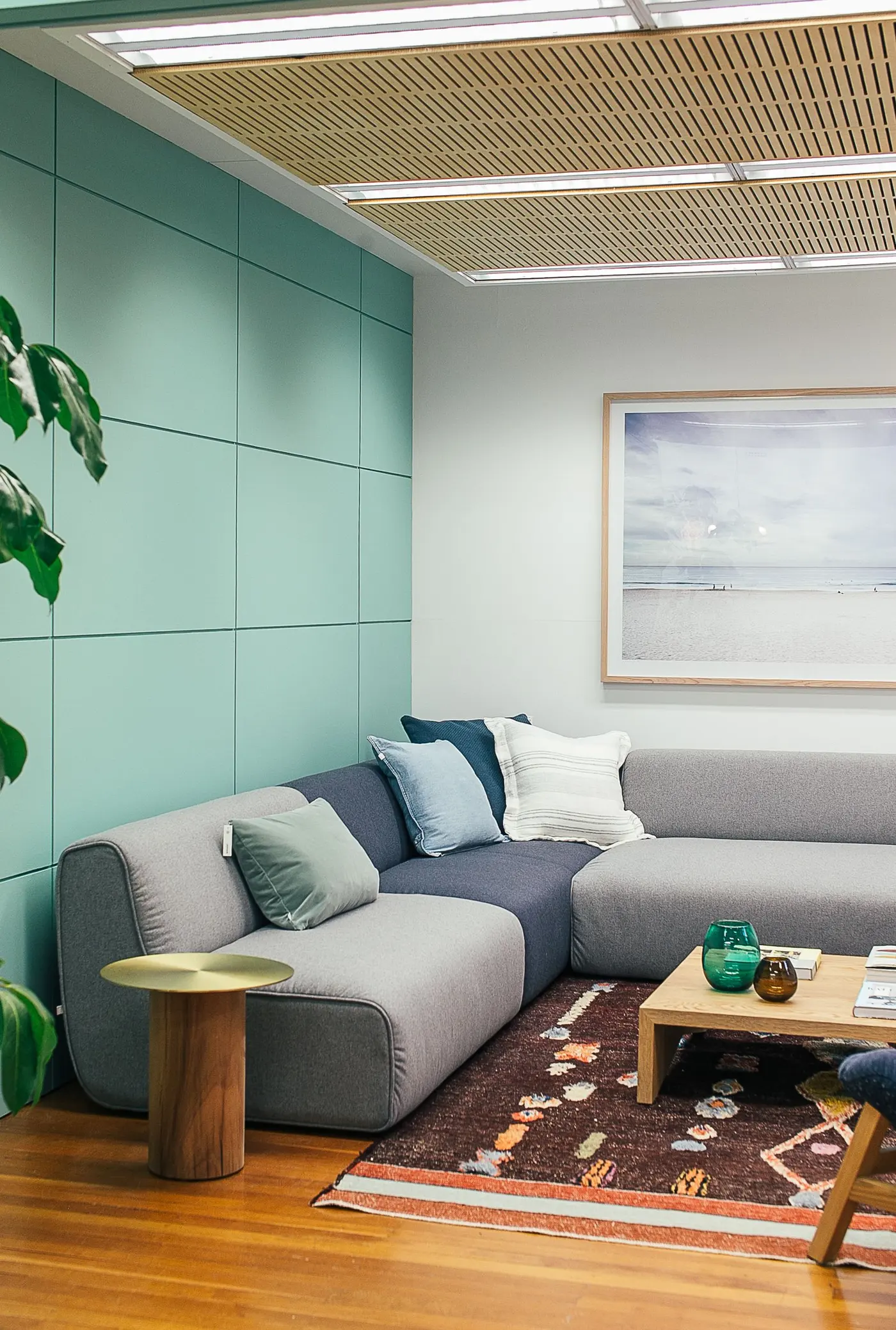
Your first imported collection has one job: to look like a point of view, not a job lot. Customers cannot articulate why a range feels coherent, but they buy from the ones that do. Here is how experienced buyers assemble a starter collection — and how a small importer can copy the method.
Anchor on a Palette
Choose one colour story and hold it across the range — currently that is warm neutrals with terracotta, sage or ochre accents in most Western markets. A shared palette makes ten designs read as a collection, lets customers combine pieces, and (a quiet commercial bonus) lets the factory share dye lots across designs, easing your MOQs.
Structure by Role, Not by Whim
- Volume core (half the range): textural, tonal handloom pieces at your entry price — the rugs that pay the freight bill.
- Signature tier: hand-tufted designs with pattern and personality — the pieces that define the brand and earn the margin.
- One or two statements: a bold kilim, an organic shape — they earn attention and photography even if they sell slowly.
Discipline the Sizes
Two or three sizes per design is plenty: the living-room workhorse (around 160×230cm / 5×8ft), one size up, and a runner or scatter size where the design suits it. Every additional size multiplies inventory cost faster than it multiplies sales.
Leave Room to Learn
Spend 80% of the budget on the coherent core and 20% on honest experiments. The pilot's sell-through will redraw the collection better than any forecast. Our design studio in Bhadohi builds starter collections with new importers weekly — palette, constructions, sizes and MOQs in one proposal. Ask for a collection proposal in your palette.